

The Prophet’s Medicine: Ancient Duas for Modern Sickness
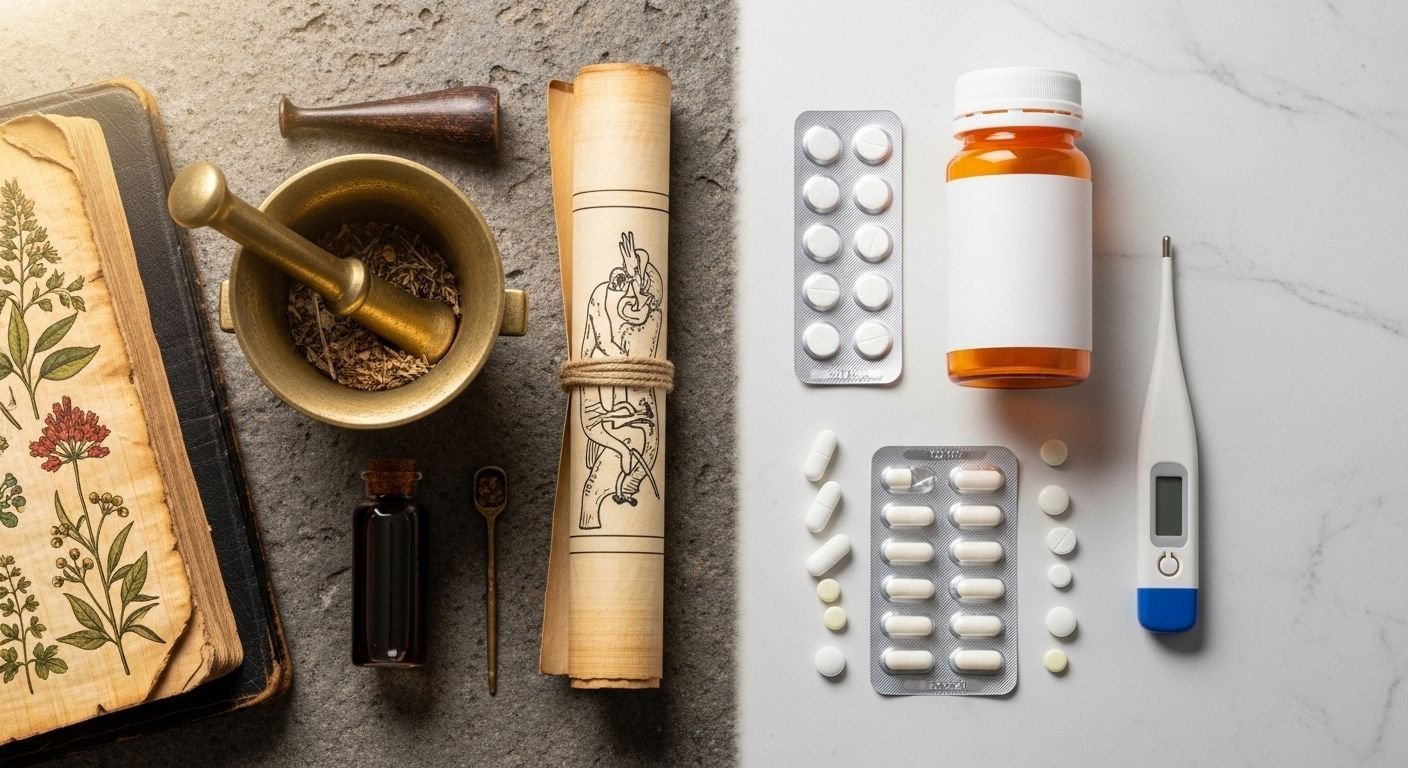
The Prophet’s Medicine: Ancient Duas for Modern Sickness isn’t some trendy wellness fad you spotted on Instagram. It’s older than the hospitals we trust. Way older.
Ibn Qayyim al-Jawziyya wrote volumes about this stuff centuries ago in his works on Al-Tibb al-Nabawi. He wasn’t messing around.
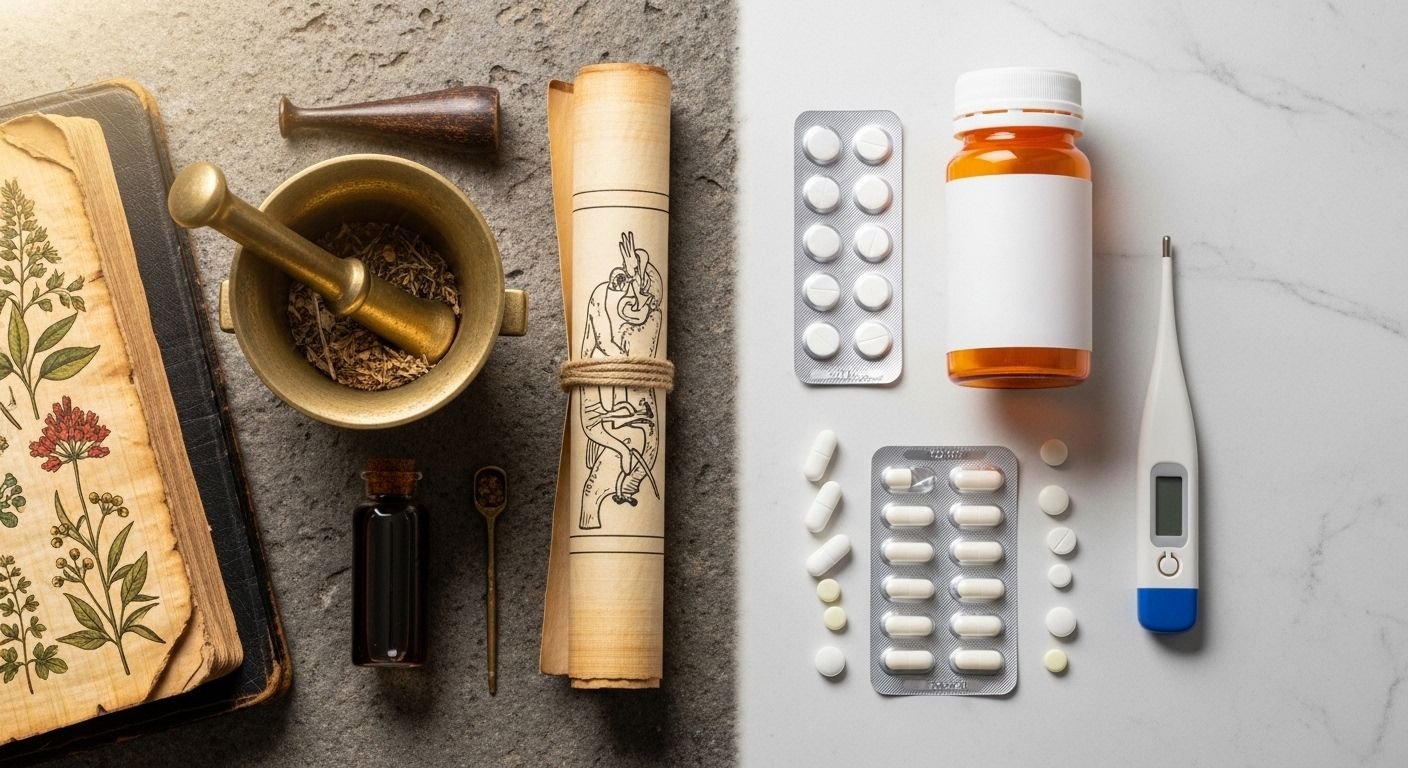
When Ancient Medical Wisdom Meets Your Prescription
The guy documented every remedy Muhammad mentioned—black seed oil, honey, the works. Traditional Islamic medicine wasn’t alternative back then. It was simply how you stayed alive. But here’s the messy part most folks miss: you can pop pills all day. And sometimes you absolutely need to. Yet there’s this whole other layer that “Beyond the Prescription: Adding Spiritual Care to Medical Recovery” explores in depth—what happens when you combine actual medical treatment with the spiritual side? It’s not about ditching your doctor. It’s about adding something your doctor can’t prescribe.
Nigella sativa sounds fancy. It’s just black seed. The Prophet called it a cure for everything but death. That’s a big claim.
But the archives of faith-based wellness are packed with generations using it for inflammation. Long before we had words like cytokine or autoimmune. Long before insurance companies existed. People just took the black seed oil and prayed.
The Clunky Reality of Spiritual Healing
Ruqyah therapy sounds intense. It’s really just recitation. Surah Al-Fatiha seven times. Specific verses for specific pains. No equipment required. No side effects. Just your voice and intention.
And yeah. It feels clunky at first. You’re sitting there reciting ancient Arabic while your fever spikes. It doesn’t feel scientific. But “What to Say When Fever Rises: Specific Duas for Temperature and Comfort” isn’t about replacing your thermometer—it’s about addressing the panic that makes the fever worse.
Kids get sick. It’s the worst. You’re up at 3 AM with a feverish toddler and the pediatrician’s office is closed until morning. This is exactly why teaching them early matters. “Teaching Little Ones: Helping Children Find Comfort in Healing Duas” gives you the language when they’re crying and you’re exhausted. They need the words. You need the words. Everyone needs to calm down.
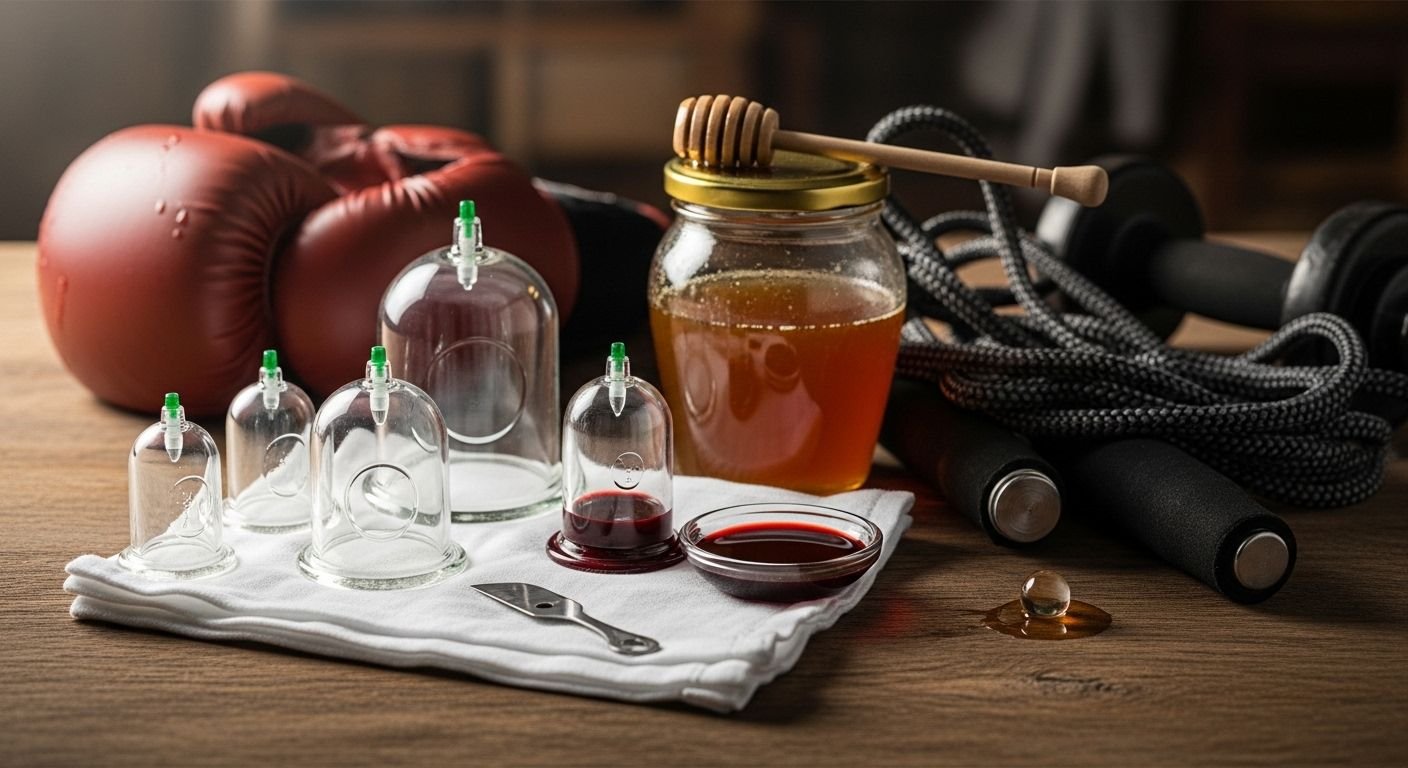
Hijama, Honey, and the Physical Grind
Hijama leaves marks. Big purple circles that people stare at in the gym locker room. But the sweat and grind of chronic pain makes you stop caring about vanity pretty fast. Cupping therapy pulls stagnation out—that’s the theory anyway. And there’s something in Sahih al-Bukhari about Muhammad getting it done on his head when the migraines hit. If it worked for him, the logic goes, why wouldn’t it work for us?
Zamzam water. Dates. Honey therapy. Simple. Almost too simple.
But preventive prophetic medicine was never about complexity. It was about consistency. Eat the dates. Drink the water. Move your body. Say your duas. Don’t wait until you’re broken to start fixing things.
Words That Soothe the Mind
Anxiety wrecks your gut. Science caught up to this finally. But holistic Islamic health addresses the part where you’re lying there at night convinced every ache is something terminal. The Quranic supplications don’t just ask for healing. They reframe the suffering entirely.
“Words That Soothe the Mind: How Healing Duas Ease Worry During Illness” tackles that middle-of-the-night dread. Because sometimes the sickness isn’t just in your body. It’s in your head. And the right dua at the right moment cuts through that noise better than any pill.
Frequently Asked Questions
What exactly is Tibb al-Nabawi?
It’s the body of knowledge recording the medical guidance, remedies, and health practices recommended by Muhammad. Ibn Qayyim al-Jawziyya compiled much of this into texts that cover everything from dietary advice to specific prayers for pain relief.
Can I use black seed oil with my regular medications?
Most folks do fine combining Nigella sativa with standard treatments. But talk to your doctor first. Don’t just wing it because some blog told you to. Safety first.
Is Ruqyah therapy just reciting verses?
Basically. It’s the recitation of Quranic supplications—often Surah Al-Fatiha or specific verses like Ayat al-Kursi—over the affected area or into water for drinking. Some practitioners also blow lightly after reciting. It’s spiritual healing, not magic.
Does Hijama actually work for migraines?
Plenty of people swear by cupping therapy for headaches and blood flow issues. The Sunnah remedies include specific points on the head and neck. Results vary. But the practice has survived 1400 years for a reason.
Where can I find specific duas for fever?
Resources like “What to Say When Fever Rises: Specific Duas for Temperature and Comfort” collect the authentic narrations. Generally, you want to look for the duas Muhammad taught for heat and pain—simple prayers asking Allah to lift the harm and cool the fever.
The Prophet’s Medicine: Ancient Duas for Modern Sickness isn’t a rejection of modernity. It’s a return to roots. To foundation. To remembering that before the labs and the scans, there was honey and black seed and faith. And sometimes? That’s exactly what you need.