

Meaningful Sahabi Names for Baby Boys
When it comes to choosing a name for your baby boy, the options can be overwhelming. As a Muslim parent, you want a name that not only sounds beautiful but also carries a deep meaning and significance. That’s where Sahabi names come in – a treasure trove of meaningful Islamic names inspired by the Prophet’s companions. In this article, we’ll delve into the world of Sahabi names for boys, exploring their history, significance, and the stories behind these iconic names.
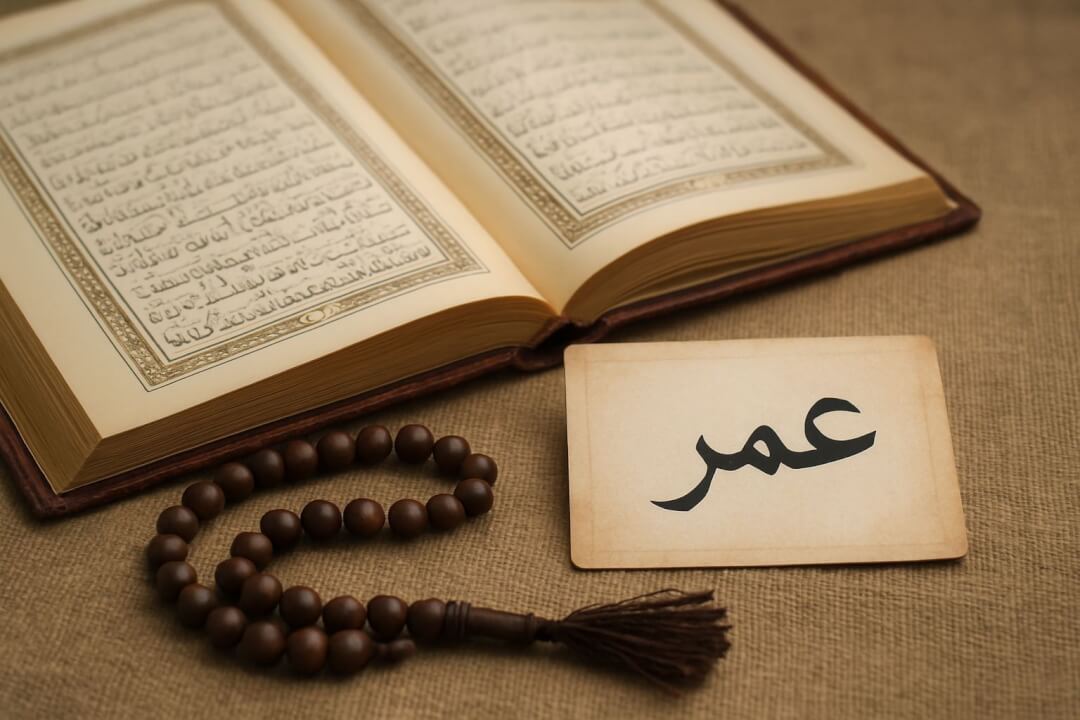
The Significance of Sahabi Names in Islamic Culture
Sahabi names are more than just a label; they’re a way to connect your child to the rich history and heritage of Islam. The Sahaba, or companions of the Prophet Muhammad (peace be upon him), played a vital role in shaping the Islamic faith. Their names are a testament to their bravery, wisdom, and devotion to the Prophet and the Quran. By choosing a Sahabi name for your baby boy, you’re giving him a sense of identity and belonging to a long line of noble and righteous individuals.
For instance, names like Abu Bakr, Umar ibn Al-Khattab, and Uthman ibn Affan are not only meaningful but also carry a sense of leadership and wisdom. These companions were known for their exceptional qualities, which made them stand out as role models for the Muslim community. Similarly, names like Ali ibn Abi Talib and Khalid ibn Al-Walid evoke a sense of courage and strength, reminding us of the bravery and sacrifices made by the Sahaba during the early days of Islam.
Understanding Islamic Naming Conventions
In Islamic culture, naming a child is a significant event, and the choice of name is guided by certain conventions. Muslim parents often choose names that reflect their faith, values, and cultural heritage. Sahabi names are a popular choice because they embody the spirit of Islam and serve as a reminder of the Prophet’s teachings. When choosing a Sahabi name for your baby boy, it’s essential to consider the meaning and significance of the name, as well as its pronunciation and spelling.
For example, the name Salman Al-Farisi is not only a beautiful and unique name but also carries a rich history. Salman, a companion of the Prophet, was known for his wisdom and knowledge, and his name has become synonymous with intelligence and insight. Similarly, names like Bilal ibn Rabah and Ammar ibn Yasir are a testament to the diversity and inclusiveness of the Islamic faith, reminding us of the importance of compassion, empathy, and social justice.
Popular Sahabi Names for Baby Boys
With so many beautiful Sahabi names to choose from, it can be challenging to narrow down your options. Here are some popular Sahabi names for baby boys, along with their meanings and significance:
* Abdullah ibn Abbas: A name that reflects the values of wisdom, knowledge, and leadership.
* Saad ibn Abi Waqqas: A name that embodies courage, strength, and devotion to the faith.
* Khalid ibn Al-Walid: A name that symbolizes bravery, strategic thinking, and a strong sense of justice.
* Umar ibn Al-Khattab: A name that represents wisdom, compassion, and a deep understanding of human nature.
These names are not only meaningful but also easy to pronounce and spell, making them a popular choice among Muslim parents. However, it’s essential to remember that the significance of a name goes beyond its pronunciation or spelling; it’s about the values, principles, and character traits that it embodies.
Unique and Uncommon Sahabi Names
If you’re looking for a name that’s a bit more unusual, consider these lesser-known Sahabi names:
* Amr ibn Al-As: A name that reflects the values of courage, strategy, and diplomacy.
* Abu Ubaidah ibn Al-Jarrah: A name that symbolizes wisdom, leadership, and a strong sense of responsibility.
* Muadh ibn Jabal: A name that embodies knowledge, wisdom, and a deep understanding of the Quran.
These names may not be as well-known as some of the more popular Sahabi names, but they carry a rich history and significance that make them a great choice for parents looking for something unique and meaningful.
Choosing the Right Sahabi Name for Your Baby Boy
With so many beautiful Sahabi names to choose from, how do you decide on the right one for your baby boy? Here are some tips to consider:
* Research the meaning and significance of the name: Understand the story behind the name and the values it embodies.
* Consider the pronunciation and spelling: Choose a name that is easy to pronounce and spell, but also unique and meaningful.
* Think about the personality and character traits: Consider the qualities you want your child to embody, and choose a name that reflects those traits.
* Seek advice from family and friends: Talk to loved ones and seek their input on the name you’ve chosen.
Ultimately, the right Sahabi name for your baby boy is one that resonates with you and your family, and reflects the values and principles you want to pass on to your child.
Common Questions About Sahabi Names
Here are some frequently asked questions about Sahabi names, answered by an expert:
What is the significance of Sahabi names in Islamic culture?
Sahabi names are a way to connect your child to the rich history and heritage of Islam, and to pass on the values and principles of the Prophet’s companions.
How do I choose the right Sahabi name for my baby boy?
Research the meaning and significance of the name, consider the pronunciation and spelling, think about the personality and character traits, and seek advice from family and friends.
Can I choose a Sahabi name that is not well-known?
Yes, there are many lesser-known Sahabi names that are unique and meaningful, such as Amr ibn Al-As and Abu Ubaidah ibn Al-Jarrah.
What are some popular Sahabi names for baby boys?
Some popular Sahabi names include Abdullah ibn Abbas, Saad ibn Abi Waqqas, Khalid ibn Al-Walid, and Umar ibn Al-Khattab.
How do I ensure that my child’s name is pronounceable and spellable?
Choose a name that is easy to pronounce and spell, but also unique and meaningful. Consider the cultural and linguistic context of the name, and seek advice from family and friends.
What is the importance of Islamic naming conventions?
Islamic naming conventions are guided by certain principles, such as choosing a name that reflects the faith, values, and cultural heritage of the child. Sahabi names are a popular choice because they embody the spirit of Islam and serve as a reminder of the Prophet’s teachings.
By choosing a meaningful Sahabi name for your baby boy, you’re giving him a sense of identity, belonging, and purpose. Remember to research the meaning and significance of the name, consider the pronunciation and spelling, and seek advice from loved ones. With so many beautiful Sahabi names to choose from, you’re sure to find the perfect one for your child.
Lorem Ipsum