

Life History of Prophet Muhammad (PBUH) — From Mecca to Medina and Beyond
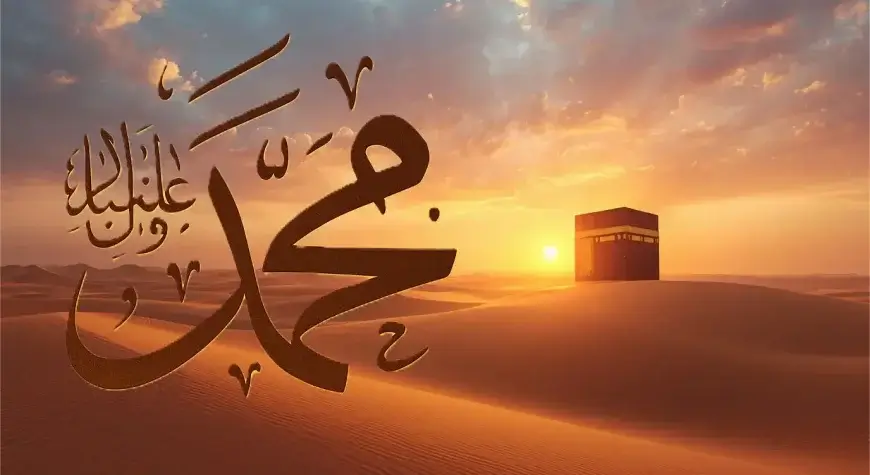
A Journey of Compassion, Wisdom, and Transformation: Understanding Prophet Muhammad’s History1
Prophet Muhammad (PBUH) is widely regarded as one of the most influential figures in human history. Born in Mecca, in present-day Saudi Arabia, in the year 570 CE, he would go on to change the course of history, shaping not only the religious and cultural fabric of the Arabian Peninsula but also the entire world. His life, his teachings, and his legacy resonate with billions of people across time and geography. To understand the profound impact of his existence, it is essential to look not only at the historical events of his life but also at the underlying human qualities that made him an exemplary model for generations to come.
- Early Life: Humble Beginnings
- The Revelation: A Divine Calling
- The Struggles: Persecution and Perseverance
- The Migration: A New Beginning
- The Triumph: Conquest of Mecca
- The Final Sermon and Death
- The Legacy: An Eternal Influence
- Names and Titles of Prophet Muhammad
- Representation in Film and Media
- Legacy of Prophet Muhammad
- Family Tree of Prophet Muhammad
- Children of Prophet Muhammad
- Prophet’s Mosque
- Wives of Prophet Muhammad
- Prophethood and its Significance
- Companions of Prophet Muhammad
- Frequently Asked Questions
Early Life: Humble Beginnings
Muhammad (PBUH) was born into the Quraysh tribe, which was known for its nobility but also for the challenges it faced during the early years of his life. His father, Abdullah, passed away before he was born, and his mother, Amina, died when he was only six years old. Raised by his grandfather, Abdul Muttalib, and later by his uncle, Abu Talib, Muhammad (PBUH) experienced the world as an orphan, an experience that deeply shaped his empathy for the less fortunate and marginalized in society.
Despite these hardships, Muhammad (PBUH) was known for his integrity, honesty, and generosity, even in his youth. His nickname, Al-Amin (the Trustworthy), reflected the respect he earned in his community. As a young man, he worked as a merchant, and it was during this time that he met and married Khadijah, a wealthy widow who was 15 years older than him. Khadijah was a pivotal figure in his life, both personally and spiritually, supporting him in his mission when the revelation began.
The Revelation: A Divine Calling
At the age of 40, while meditating in the cave of Hira on the outskirts of Mecca, Prophet Muhammad (PBUH) received his first revelation from the Angel Jibril (Gabriel). The message was clear: “Read in the name of your Lord who created” (Quran 96:1). This marked the beginning of a series of revelations that would continue over the next 23 years. The message was simple yet profound—monotheism, social justice, equality, and morality.
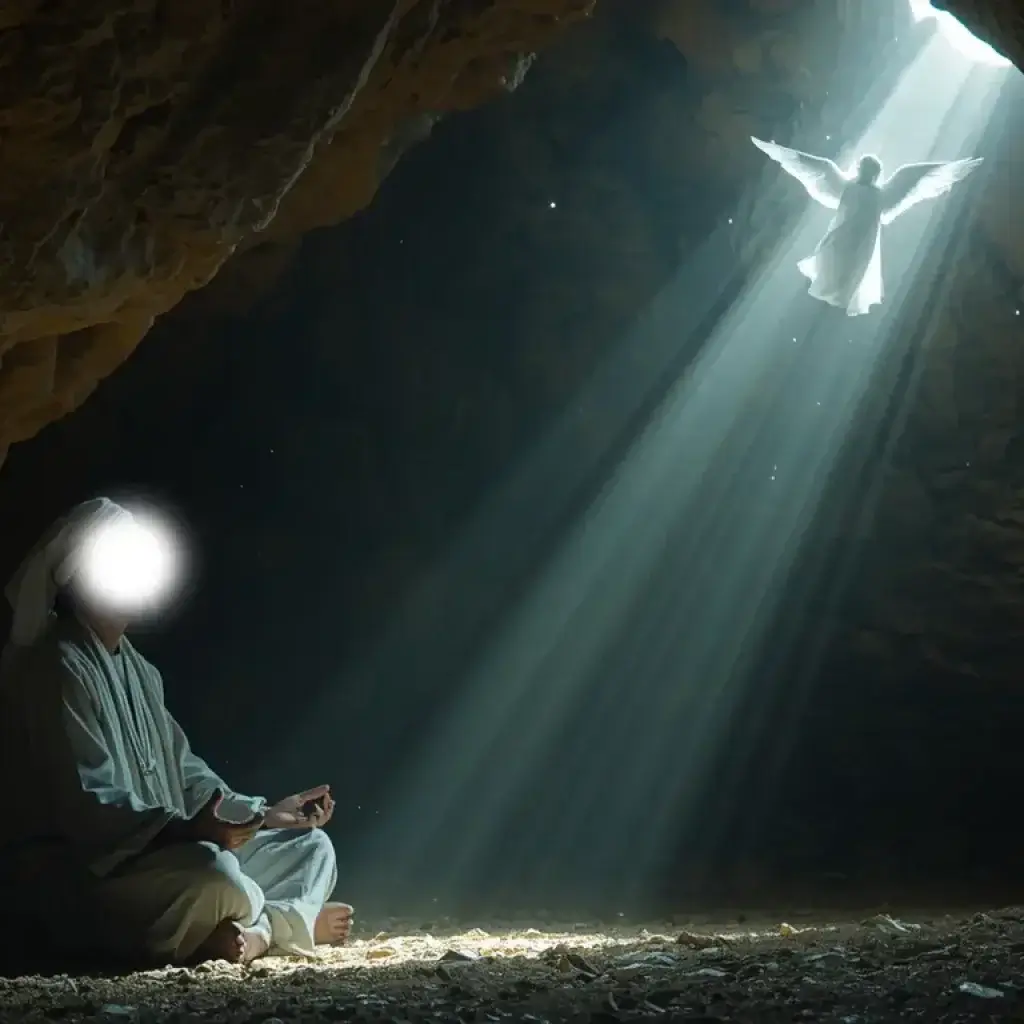
At first, only close friends and family members like Khadijah, his cousin Ali, and his close friend Abu Bakr embraced the message. But the Meccan society, which thrived on polytheism and social hierarchies, was resistant to his teachings. Muhammad (PBUH) called for the worship of one God (Allah), rejected idolatry, and urged the rich and powerful to show compassion toward the poor and oppressed.
The Struggles: Persecution and Perseverance
The early years of Muhammad’s (PBUH) prophethood were marked by intense opposition. The Quraysh leaders, who controlled Mecca and its religious practices, saw his teachings as a direct threat to their power and influence. As the followers of Islam grew, so did the persecution. Early Muslims were subjected to physical and emotional abuse, economic boycotts, and even torture.
One of the most painful moments in the Prophet’s life came during the year of sorrow (619 CE), when both Khadijah and his uncle Abu Talib passed away within months of each other. These losses left Muhammad (PBUH) vulnerable, yet his faith and resolve remained unshaken. It was during this period that the Prophet (PBUH) experienced the Isra and Miraj, a miraculous night journey to Jerusalem and ascension to the heavens, which reaffirmed his mission and connection to God.
Despite the adversity, Muhammad (PBUH) remained steadfast in his call for peace, justice, and spiritual awakening. His patience, resilience, and kindness towards even his persecutors were traits that endeared him to those around him, including those who initially opposed him.
The Migration: A New Beginning
As the situation in Mecca became increasingly untenable, Muhammad (PBUH) and his followers were invited by the people of Yathrib (later named Medina) to come and settle there. This migration, known as the Hijra (622 CE), marks the beginning of the Islamic calendar. In Medina, Muhammad (PBUH) was not just a prophet but also a statesman, community leader, and peacemaker. He worked tirelessly to foster unity among the diverse tribes of the city, establishing a society based on justice, mutual respect, and religious freedom.
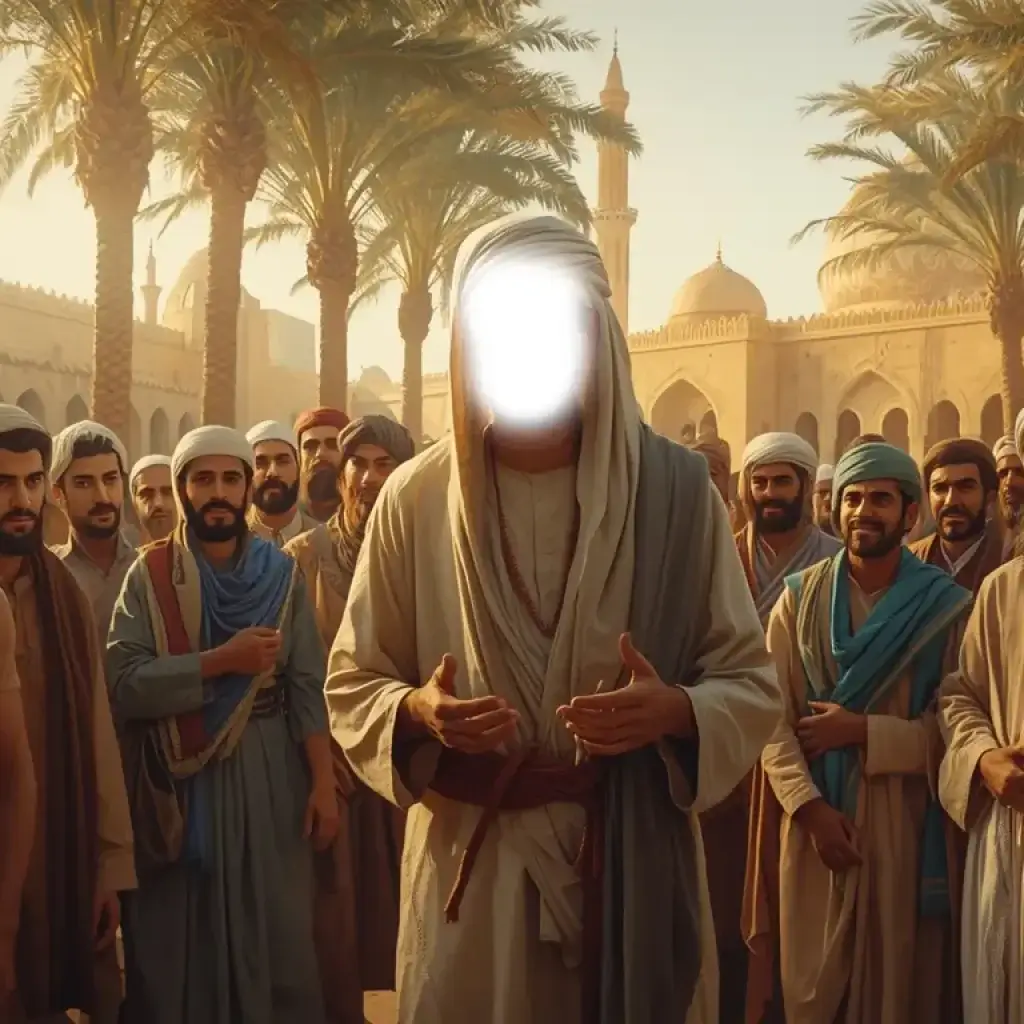
In Medina, the Muslim community began to flourish, but the challenges did not end. The Quraysh of Mecca, determined to eliminate the Muslim movement, waged several battles against them, including the Battles of Badr, Uhud, and the Battle of the Trench. Despite suffering losses, the Muslim community continued to grow stronger in faith and unity, and the Prophet’s leadership was crucial in navigating these difficult times.
The Triumph: Conquest of Mecca
After years of tension and conflict, a truce was finally established between the Muslims and the Quraysh in the year 628 CE, known as the Treaty of Hudaybiyyah. However, this peace was short-lived, as the Quraysh violated the terms of the treaty. In 630 CE, Muhammad (PBUH) led an army of 10,000 Muslims to Mecca. The city surrendered without bloodshed, and Muhammad (PBUH) entered Mecca as a conqueror. Yet, in a striking display of magnanimity, he forgave those who had persecuted him and his followers, declaring, “There is no reproof against you today.”
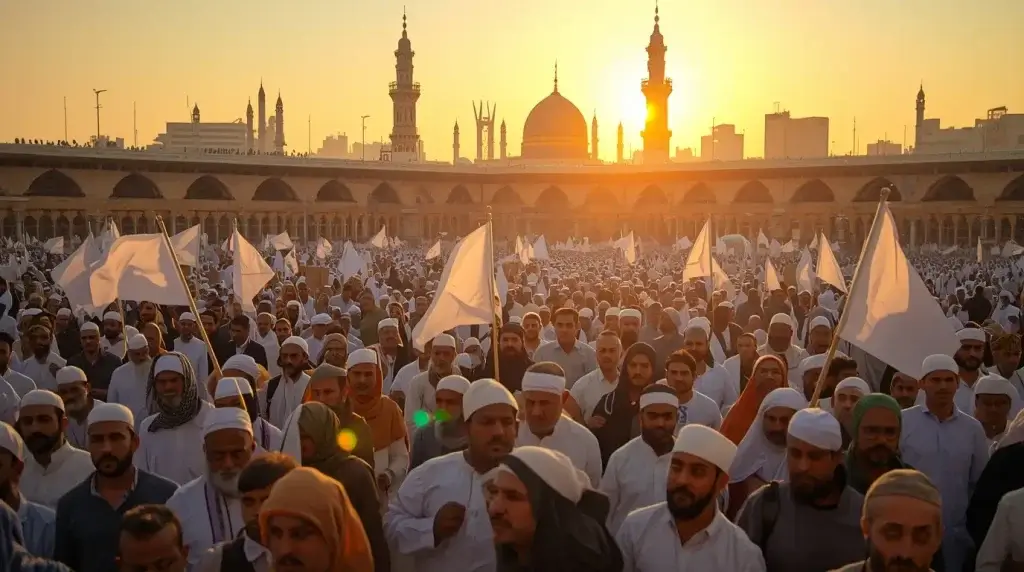
The conquest of Mecca marked a turning point in the history of Islam, with the Kaaba being cleansed of idols and dedicated solely to the worship of Allah. Islam spread rapidly throughout the Arabian Peninsula, and by the time of the Prophet’s (PBUH) death in 632 CE, the majority of the Arabian tribes had embraced Islam.
The Final Sermon and Death
In his final years, the Prophet (PBUH) continued to guide his followers with wisdom, compassion, and humility. In 632 CE, he delivered his final sermon during the Hajj pilgrimage, known as the Farewell Sermon. In it, he emphasized the equality of all people, the sanctity of life, and the importance of justice. “All people are equal; there is no superiority of an Arab over a non-Arab, or a white over a black,” he proclaimed.
Shortly after this, Prophet Muhammad (PBUH) fell ill and passed away in Medina at the age of 63. His death marked the end of the prophetic mission, but his message lived on.
The Legacy: An Eternal Influence
The legacy of Prophet Muhammad (PBUH) is immeasurable. He is remembered not only as a religious leader but also as a model of human excellence. His teachings have inspired countless individuals and shaped civilizations for over 1,400 years. The Quran, the holy book revealed to him, remains the most widely read and memorized book in the world, guiding Muslims in every aspect of life.
His emphasis on compassion, justice, and social responsibility remains relevant in today’s world. His kindness to women, children, the poor, and even animals provides a timeless moral framework for ethical living. Muhammad (PBUH) taught that true greatness lies in humility, and his life serves as a testament to the power of integrity, patience, and forgiveness.
Names and Titles of Prophet Muhammad
Prophet Muhammad (PBUH) is known by various names and titles, each reflecting a different aspect of his character and mission. Some of his most famous titles include Rasul Allah (Messenger of God), Nabi (Prophet), Al-Amin (The Trustworthy), and Al-Mustafa (The Chosen One). These titles signify his role as a prophet, a messenger, and a leader, as well as his exceptional qualities of trustworthiness and moral excellence.
Representation in Film and Media
The representation of Prophet Muhammad (PBUH) in film and media has been a topic of debate and controversy. In Islamic tradition, it is considered disrespectful to depict the Prophet (PBUH) in any form of art or media, as it may lead to idolatry or misrepresentation. However, in recent years, there have been attempts to portray the Prophet’s life and teachings in a respectful and accurate manner, using various forms of media, such as documentaries, films, and animations.
For example, the film “The Message” (1976) is a classic example of a respectful and accurate portrayal of the Prophet’s life and teachings. The film tells the story of the Prophet’s life, from his birth to his death, and highlights his key teachings and principles. Other examples include the documentary “Muhammad: The Last Prophet” (2002) and the animated series “The Prophets” (2015), which aim to educate and inspire audiences about the Prophet’s life and teachings.
Legacy of Prophet Muhammad
The legacy of Prophet Muhammad (PBUH) extends far beyond his own lifetime. He left behind a community of believers, known as Muslims, who continue to follow his teachings and strive to emulate his example. The Prophet’s legacy can be seen in the spread of Islam across the globe, in the development of Islamic civilization, and in the countless individuals who have been inspired by his message of compassion, justice, and peace.
One of the most significant aspects of the Prophet’s legacy is his impact on philosophy, art, and culture. Islamic philosophy, for example, has had a profound influence on Western philosophy, with thinkers such as Ibn Sina (Avicenna) and Ibn Rushd (Averroes) making significant contributions to the development of philosophy. Islamic art and architecture, with their unique blend of geometric patterns, calligraphy, and arches, have also had a profound impact on the development of art and architecture in the Western world.
Family Tree of Prophet Muhammad
Prophet Muhammad (PBUH) was born into the Quraysh tribe, which was a prominent tribe in Mecca. His family tree is as follows:
- Father: Abdullah ibn Abdul Muttalib
- Mother: Amina bint Wahb
- Grandfather: Abdul Muttalib
- Uncle: Abu Talib
- Wives: Khadijah, Sawda, Aisha, Hafsa, Zaynab bint Khuzayma, Umm Salama, Zaynab bint Jahsh, Umm Habiba, Safiyya, Maymuna, and Maria al-Qibtiyya
- Children: Al-Qasim, Abdullah, Ibrahim, Zaynab, Ruqayyah, Umm Kulthum, and Fatimah
Children of Prophet Muhammad
Prophet Muhammad (PBUH) had several children, both sons and daughters, from his various wives. His children played important roles in the early history of Islam, with some of them becoming prominent leaders and scholars. The Prophet’s children include:
- Al-Qasim: The Prophet’s eldest son, who died in childhood.
- Abdullah: The Prophet’s second son, who also died in childhood.
- Ibrahim: The Prophet’s youngest son, who was born to his wife Maria al-Qibtiyya and died in infancy.
- Zaynab: The Prophet’s eldest daughter, who was born to his wife Khadijah and married to Abu al-Aas ibn al-Rabi.
- Ruqayyah: The Prophet’s second daughter, who was born to his wife Khadijah and married to Uthman ibn Affan.
- Umm Kulthum: The Prophet’s third daughter, who was born to his wife Khadijah and married to Uthman ibn Affan after the death of Ruqayyah.
- Fatimah: The Prophet’s youngest daughter, who was born to his wife Khadijah and married to Ali ibn Abi Talib.
Prophet’s Mosque
The Prophet’s Mosque, also known as Masjid al-Nabawi, is one of the most sacred sites in Islam. Located in Medina, Saudi Arabia, it was built by the Prophet (PBUH) himself and served as a center of worship, learning, and community activity. The mosque is famous for its beautiful architecture, its historic significance, and its association with the Prophet’s life and teachings.
The Prophet’s Mosque is a place of great spiritual significance, where Muslims from all over the world come to pray, learn, and seek inspiration. The mosque is also a symbol of the Prophet’s legacy, reminding us of his message of peace, justice, and compassion. Visitors to the mosque can see the Prophet’s tomb, as well as the tombs of his companions, including Abu Bakr and Umar ibn al-Khattab.
Wives of Prophet Muhammad
Prophet Muhammad (PBUH) had several wives, each of whom played an important role in his life and mission. His wives include:
- Khadijah: The Prophet’s first wife, who was a wealthy widow and a successful businesswoman.
- Sawda: The Prophet’s second wife, who was a widow and a mother of several children.
- Aisha: The Prophet’s third wife, who was the daughter of Abu Bakr and became one of the most prominent female figures in Islamic history.
- Hafsa: The Prophet’s fourth wife, who was the daughter of Umar ibn al-Khattab and became a respected scholar and teacher.
- Zaynab bint Khuzayma: The Prophet’s fifth wife, who was a widow and a mother of several children.
- Umm Salama: The Prophet’s sixth wife, who was a widow and a respected member of the Muslim community.
- Zaynab bint Jahsh: The Prophet’s seventh wife, who was a cousin of the Prophet and became a prominent figure in Islamic history.
- Umm Habiba: The Prophet’s eighth wife, who was the daughter of Abu Sufyan and became a respected member of the Muslim community.
- Safiyya: The Prophet’s ninth wife, who was a Jewish captive and became a respected member of the Muslim community.
- Maymuna: The Prophet’s tenth wife, who was a widow and a respected member of the Muslim community.
- Maria al-Qibtiyya: The Prophet’s eleventh wife, who was an Egyptian slave and became the mother of the Prophet’s youngest son, Ibrahim.
Prophethood and its Significance
Prophethood is a fundamental concept in Islam, referring to the institution of prophets who are chosen by God to guide humanity. Prophet Muhammad (PBUH) is considered the final prophet in a long line of prophets, including Adam, Abraham, Moses, and Jesus. The significance of prophethood lies in its role in guiding humanity towards the truth, promoting moral values, and establishing a just and compassionate society.
Prophets are considered to be the messengers of God, tasked with conveying His message to humanity. They are also considered to be role models, exemplifying the qualities of compassion, justice, and wisdom. The Prophet Muhammad (PBUH) is the perfect example of a prophet, demonstrating these qualities in his life and teachings.
Companions of Prophet Muhammad
The companions of Prophet Muhammad (PBUH) were the individuals who lived during the Prophet’s lifetime and had the privilege of accompanying him, learning from him, and participating in his mission. The companions played a crucial role in the spread of Islam, the development of Islamic civilization, and the preservation of the Prophet’s teachings. Some of the most prominent companions include Abu Bakr, Umar ibn al-Khattab, Uthman ibn Affan, Ali ibn Abi Talib, and Salman al-Farisi.
The companions of the Prophet (PBUH) were a diverse group of individuals, coming from different backgrounds and professions. They were united by their love for the Prophet and their commitment to his message. They were also known for their bravery, wisdom, and compassion, and played a significant role in shaping the course of Islamic history.
Succession to Prophet Muhammad
The succession to Prophet Muhammad (PBUH) is a topic of great importance in Islamic history. After the Prophet’s death, his companions gathered to determine who would succeed him as the leader of the Muslim community. The companions chose Abu Bakr, one of the Prophet’s closest friends and companions, as the first caliph (successor) of the Prophet.
The succession to the Prophet (PBUH) was not without controversy, however. Some members of the Muslim community believed that Ali ibn Abi Talib, the Prophet’s cousin and son-in-law, should have been chosen as the first caliph. This led to a division within the Muslim community, with some groups supporting Ali and others supporting Abu Bakr.
Despite these differences, the Muslim community remained united in their commitment to the Prophet’s message and teachings. The caliphs who succeeded the Prophet (PBUH) worked to spread Islam, establish justice, and promote peace and compassion. They also played a significant role in shaping the development of Islamic civilization, which would go on to make significant contributions to philosophy, art, science, and culture.
Quranic References to Prophet Muhammad
The Quran, the holy book of Islam, contains numerous references to Prophet Muhammad (PBUH). The Quran describes the Prophet as a messenger of God, tasked with conveying His message to humanity. The Quran also describes the Prophet’s character, highlighting his compassion, wisdom, and courage.
One of the most significant Quranic references to the Prophet (PBUH) is the verse “And We have sent you (O Muhammad) as a mercy to the worlds” (Quran 21:107). This verse highlights the Prophet’s role as a source of mercy and compassion, not just for the Muslim community, but for all of humanity.
Other significant Quranic references to the Prophet (PBUH) include the verses “O Prophet, indeed We have sent you as a witness, and a bringer of good tidings, and a warner” (Quran 33:45) and “And indeed, you (O Muhammad) are of a great moral character” (Quran 68:4). These verses emphasize the Prophet’s role as a witness to the truth, a bringer of good news, and a warner against evil, as well as his exceptional moral character.
Frequently Asked Questions
Here are some frequently asked questions about Prophet Muhammad (PBUH) and his legacy:
- Q: Who was Prophet Muhammad (PBUH)?
- A: Prophet Muhammad (PBUH) was the final prophet in Islam, born in Mecca in 570 CE and died in Medina in 632 CE.
- Q: What was the Prophet’s message?
- A: The Prophet’s message was one of monotheism, social justice, equality, and morality, as revealed to him through the Quran.
- Q: What is the significance of the Prophet’s legacy?
- A: The Prophet’s legacy is significant because it has inspired countless individuals and shaped civilizations for over 1,400 years, promoting compassion, justice, and peace.
- Q: How can I learn more about the Prophet’s life and teachings?
- A: You can learn more about the Prophet’s life and teachings by reading the Quran, studying the Hadith (the Prophet’s sayings and actions), and consulting with Islamic scholars and resources.
- Q: What is the importance of the Prophet’s Mosque in Medina?
- A: The Prophet’s Mosque is one of the most sacred sites in Islam, serving as a center of worship, learning, and community activity.
- Q: Who were the Prophet’s wives and children?
- A: The Prophet had several wives, including Khadijah, Sawda, Aisha, and others, and several children, including Al-Qasim, Abdullah, Ibrahim, Zaynab, Ruqayyah, Umm Kulthum, and Fatimah.
- Q: What is the significance of prophethood in Islam?
- A: Prophethood is a fundamental concept in Islam, referring to the institution of prophets who are chosen by God to guide humanity.
- Q: Who were the companions of the Prophet?
- A: The companions of the Prophet were the individuals who lived during the Prophet’s lifetime and had the privilege of accompanying him, learning from him, and participating in his mission.
Lorem Ipsum