

The History Behind the Words: Stories of Healing in Islamic Tradition
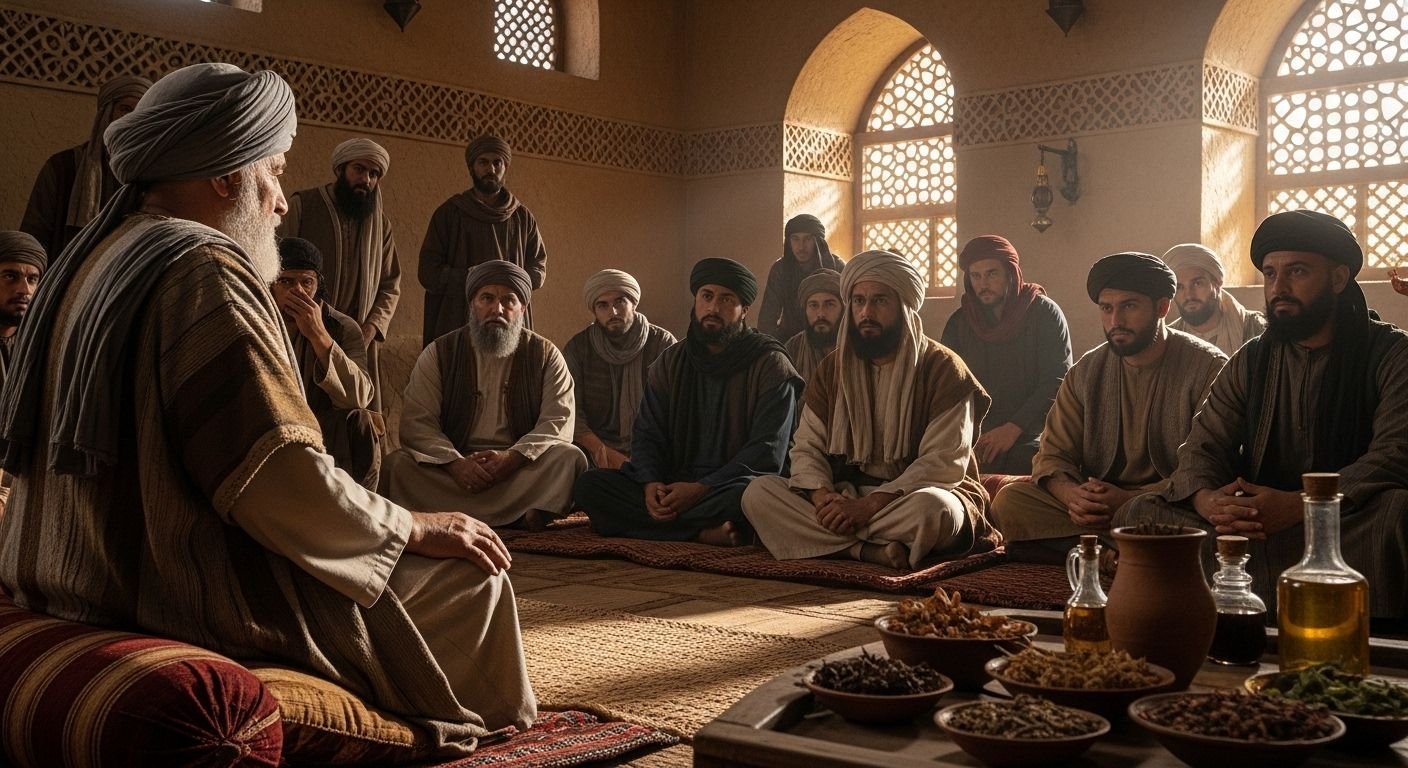
These words aren’t dead text on crumbling pages. They’re alive. Folks still whisper them when the thermometer climbs too high or when chest tightness won’t quit. The History Behind the Words: Stories of Healing in Islamic Tradition isn’t some academic exercise—it’s a gut check about how real people faced real pain long before pharmacies lined every street corner.
And the stories? They’re messy. Complicated. Beautifully clunky.
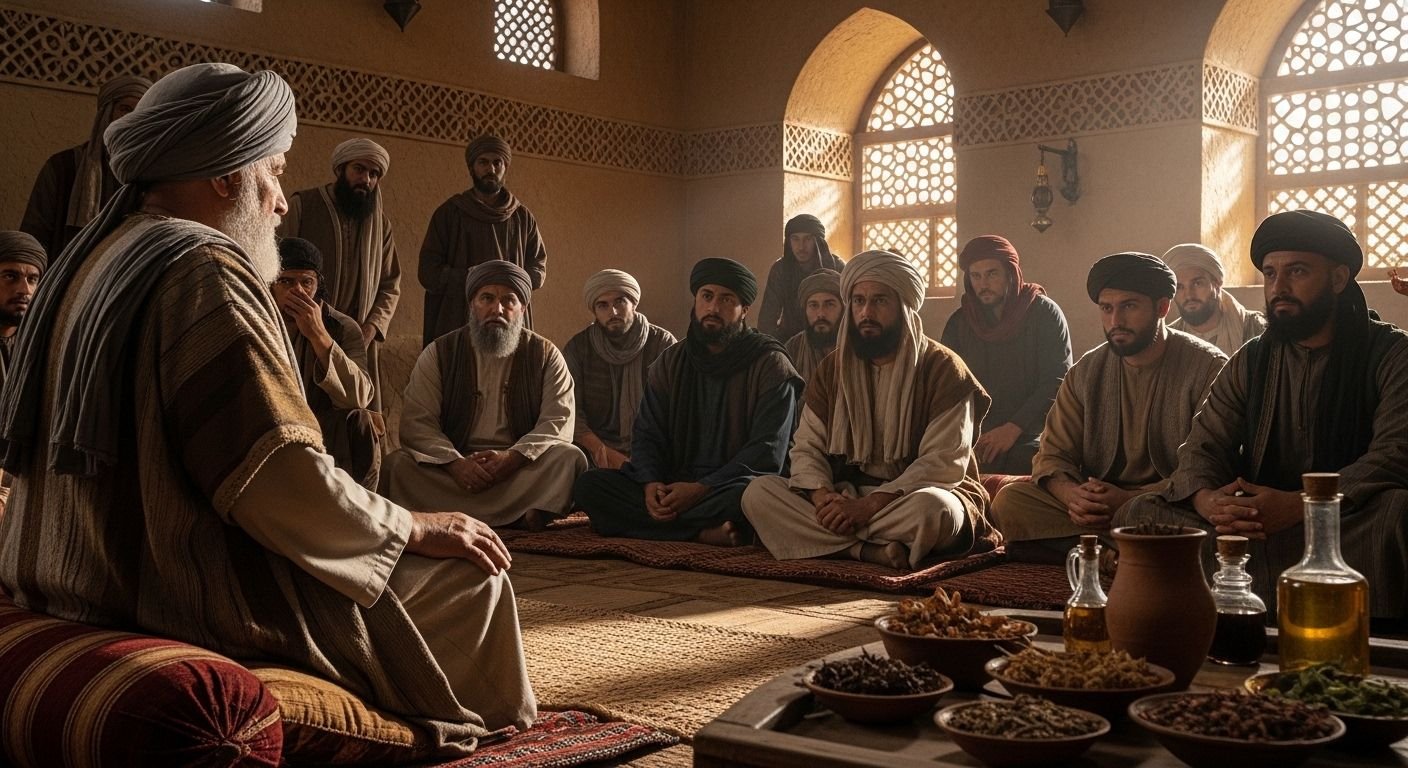
When the Prophet Spoke About Medicine
Prophet Muhammad didn’t just bring revelation—he brought practical advice that shocked the desert nomads who thought disease was just fate laughing at them. He talked about the Black Seed. Called it a cure for everything except death itself. That’s a bold claim. But folks tried it. They kept records.
That’s how Tibb al-Nabawi started. Not as some rigid system. More like a collection of “hey, this actually works” moments that scholars later organized into books. The medicinal honey. The hijama cupping. Simple stuff. But effective.
You’re probably wondering about the duas. Yeah—those mattered too. There’s a reason articles like What to Say When Fever Rises: Specific Duas for Temperature and Comfort get shared in family WhatsApp groups when someone gets sick. Because the words carry baraka healing. They always have.
The Manuscript Grind
Fast forward a few centuries. The Islamic Golden Age wasn’t just about algebra and astronomy—though that’s what everyone remembers. The real grind happened in dusty scriptoriums where scholars copied Hadith about wellness in Sunnah while their fingers cramped.
Al-Razi wrote his medical encyclopedias. Ibn Sina—Avicenna to the West—created the Canon of Medicine that dominated European universities for 600 years. Six centuries. Think about that. These guys weren’t just winging it. They tested herbal treatments. Quran verses paired with empirical observation. It was holistic Islamic health before “holistic” became a marketing buzzword.
And the hospitals? The Bimaristan institutions weren’t charity wards. They were research centers. Al-Shifa hospital in Cairo had separate wards for mental health. Music therapy. Occupational therapy. Meanwhile Europe was still figuring out that bleeding people dry wasn’t helping.
Where Faith Meets the Physical
Here’s where it gets interesting. Ruqyah therapy—reciting specific Quranic healing verses over water or oil—never replaced actual medicine. It ran parallel. Like adding spiritual care to medical recovery. Which reminds me of that piece on Beyond the Prescription: Adding Spiritual Care to Medical Recovery—the concept isn’t new. It’s ancient.
Sufi medicine took this even further. Not just physical fixes. They looked at the nafs. The soul. The spiritual blockage causing the physical symptom. Traditional remedies included things like talbina—that barley porridge the Prophet recommended for grief. Food as medicine. Simple. Deep.
But don’t romanticize it. These healers worked hard. They failed sometimes. They sweated over difficult cases. The Islamic medical heritage includes plenty of “we don’t know” moments alongside the breakthroughs.
The Words We Still Use
Walk into any Muslim household when someone’s sick. You’ll hear it. The dua for healing. Maybe it’s “Adhhibil ba’sa rabbal naas” or something from Surah Al-Fatiha. These aren’t magic spells. They’re anchors.
Faith healing practices in Islam have always been practical. The Prophet’s Medicine: Ancient Duas for Modern Sickness covers this ground well—showing how these specific phrases connect to neurological calm. Lower cortisol. Better sleep. It’s not placebo. It’s psychology married to spirituality.
And kids? Yeah. Teaching Little Ones: Helping Children Find Comfort in Healing Duas matters because fear kills recovery faster than bacteria. When a child learns to whisper “Bismillah” before the needle goes in—that’s generations of wisdom compressed into one breath.
Why This History Still Hurts (In a Good Way)
The Black Seed oil in your cabinet? That’s Al-Razi’s research continuing. The honey in your tea? That’s prophetic medicine showing up at your kitchen table. The words you say when you feel that first tickle of fever? That’s 1400 years of human experience.
It’s clunky. It’s not always seamless. Some traditions got lost. Others got twisted by folks selling miracle cures. But the core remains. Words have power. Medicine has limits. And healing happens in the gap between them.
Ibn Sina would probably laugh at our modern obsession with separating “mind” from “body” from “soul.” He treated them as one messy, glorious system. So did Al-Razi. So did the unnamed women who preserved Hijama techniques in kitchens across Damascus and Baghdad.
The history isn’t behind glass in a museum. It’s in your grandmother’s hands when she makes that special soup. It’s in the quiet between the athan and the first sip of Zamzam water. It’s alive.
Frequently Asked Questions
What exactly is Tibb al-Nabawi?
It’s the body of medical knowledge derived from the teachings of Prophet Muhammad. Includes specific foods like Black Seed and medicinal honey, physical therapies like Hijama, and spiritual practices including specific duas for different ailments.
Did Islamic medicine only use spiritual healing?
No. The Islamic Golden Age produced hard science. Ibn Sina and Al-Razi conducted anatomical studies, pharmaceutical research, and hospital design. Spiritual healing Islam always ran parallel to physical treatment—never replacing it.
What’s the difference between Ruqyah and regular dua?
Ruqyah therapy uses specific Quranic healing verses recited in particular ways—often blown into water or oil. Regular dua for healing is any sincere supplication. Both work through baraka healing but Ruqyah follows stricter traditional protocols.
Are Bimaristan hospitals still around?
The original medieval Bimaristan institutions closed or transformed into modern hospitals. But the concept—free care, specialized wards, mental health treatment—influenced modern hospital systems globally.
Can I use prophetic medicine alongside modern drugs?
Most Muslim physicians say yes. Wellness in Sunnah complements conventional treatment. But check with your doctor first. Black Seed or herbal treatments Quran mentions can interact with medications. Don’t stop your prescriptions without medical advice.
Lorem Ipsum