

Daily Worship: Comparing Prayer Methods and Pilgrimage Customs
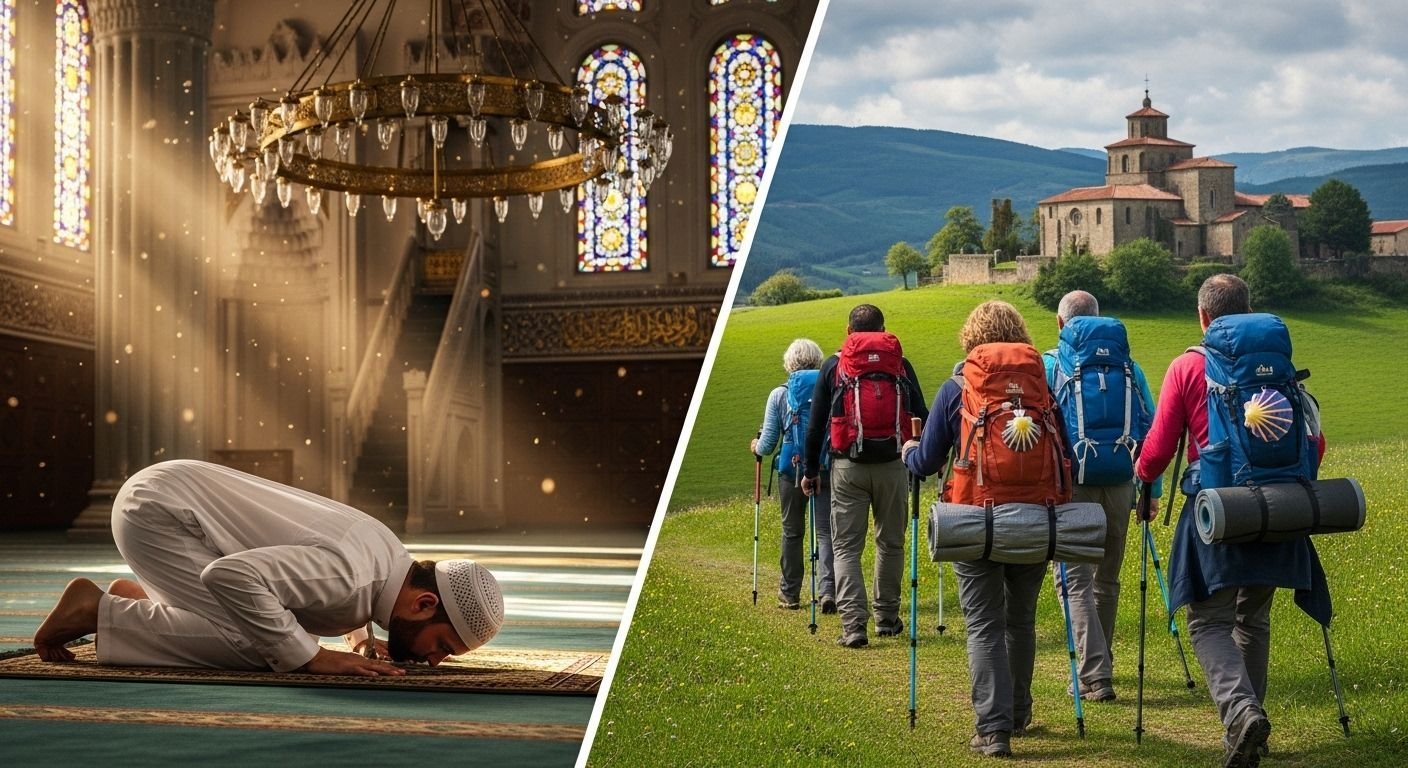
It’s 4:47 AM and your knees already hurt from yesterday’s prostrations but you drag yourself up anyway because that’s the grind of real devotion—not the Instagram version with filtered lighting and perfect cushions. Daily Worship: Comparing Prayer Methods and Pilgrimage Customs isn’t about glossy brochure photos of Mecca at sunset or the Vatican’s marble floors.
It’s sweat.
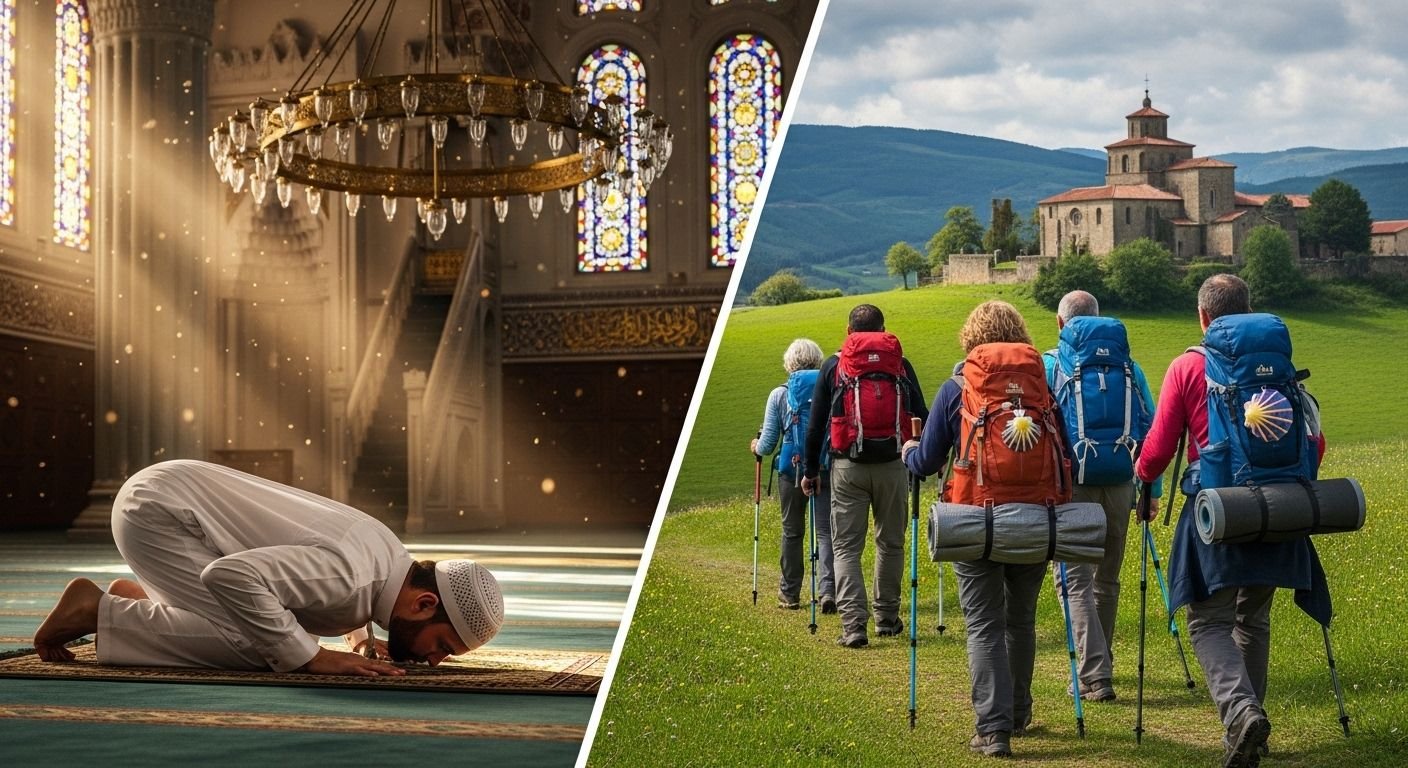
Daily Worship: Comparing Prayer Methods and Pilgrimage Customs in the Real World
Morning devotionals hit different when you’re not a morning person. Some folks stumble through Fajr while others clutch coffee through liturgical traditions half-asleep. Evening prayers feel heavier—like a gut check on everything you messed up today. You’re not glowing with spiritual energy. You’re just showing up.
The Clunky Reality of Prostration Methods and Prayer Beads
Prostration methods aren’t gentle yoga. Your forehead hits the floor. Hard. Prayer bead techniques require calloused fingers from years of grinding through decades of the Rosary or dhikr. And yeah—Understanding Fiqh: How Islamic Law Differs Between the Traditions means some Muslims wash differently before Salah. Some pray four times. Some five. It’s messy.
But the physical reality of religious discipline hurts.
Holy Site Journeys vs Spiritual Tourism
Holy site journeys aren’t spiritual tourism despite what travel blogs claim. Hajj to Mecca involves heat and crushing crowds and blisters that make you question your faith. Vatican City handles millions but the spiritual rituals there differ wildly from the chaos you’ll find at the Western Wall in Jerusalem where people weep into stone cracks they’ve touched for decades. Santiago de Compostela destroys your feet over hundreds of miles. Bodh Gaya overwhelms you with incense and noise and competing meditation practices.
Kumbh Mela?
That’s organized chaos masquerading as sacred ceremonies. Millions grinding through fasting customs and ritual baths in freezing rivers. Just bodies and belief.
When Religious Observances Meet Political Divides
Yet here’s where it gets complicated because The Leadership Crisis That Divided Muslims After Muhammad didn’t just split politics—it split devotional habits completely. Shia pilgrims head to Karbala for Ashura and Karbala: Why the Tenth Day Holds Different Meanings while Sunni communities focus strictly on Mecca. Same religion but different maps and worship routines that diverged centuries ago.
Regional Politics: How the Divide Shapes Modern Middle Eastern Affairs affects who can even reach certain shrines. Your devotional habits depend on which side of a border you were born. Or which checkpoint you can cross.
But people keep going.
And they keep threading prayer beads through fingers until the wood smooths out. They keep walking to Santiago despite the shin splints. Because religious observances aren’t about comfort. They’re about commitment when everything else falls apart.
There’s no pretty way to wrap this up because worship isn’t pretty. It’s grinding through another decade of the Rosary. It’s blistered feet at Santiago. It’s showing up anyway.
Frequently Asked Questions
What’s the difference between morning devotionals and evening prayers in daily practice?
Morning devotionals often involve fresher energy but rushed time constraints—people squeeze liturgical traditions or Salah between alarms and commutes. Evening prayers tend toward introspection and longer meditation practices as folks review their day. The physical posture might be the same but the mental grind differs.
How do prayer bead techniques vary between Catholic and Islamic traditions?
Catholic Rosary practice involves specific sequences of Hail Marys and Our Fathers counted on five decades of beads. Islamic dhikr uses different prayer bead techniques—often 99 beads representing names of God or 33 beads for repetitive chanting. The finger movements differ too: Catholics often slide beads one at a time while some Islamic traditions use the thumb to push beads in specific prostration methods.
Is Hajj to Mecca the only major pilgrimage required in Islam?
Hajj remains the mandatory pilgrimage for able Muslims once in their lifetime. However many Muslims also undertake holy site journeys to other locations—though these aren’t required. Shia communities particularly emphasize visits to Karbala and Najaf. The distinction matters because Understanding Fiqh: How Islamic Law Differs Between the Traditions affects which journeys carry religious weight versus personal devotion.
What should I know about fasting customs before attending Kumbh Mela or similar events?
Fasting customs at massive gatherings like Kumbh Mela often combine total abstinence from food with ritual purification in rivers. Unlike Ramadan fasting which breaks at sunset, some Hindu fasting customs during these sacred ceremonies last specific daylight hours or involve only consuming certain foods. The physical demands of fasting combined with crowds require serious preparation—not just spiritual readiness but actual physical conditioning.
Do prostration methods differ significantly between Eastern and Western worship traditions?
Absolutely. Full prostration methods in Orthodox Christian practice or Islamic Salah involve forehead and nose touching ground—complete physical submission. Meanwhile Jewish prayer at the Western Wall or Catholic liturgical traditions generally involve standing, sitting, or kneeling without full floor contact. These differences aren’t just stylistic; they reflect distinct theological views on bodily humility and religious discipline.
Lorem Ipsum