

Choosing a Sahabi Name: Faith, Meaning and Family Tips

Introduction — why a Sahabi name matters
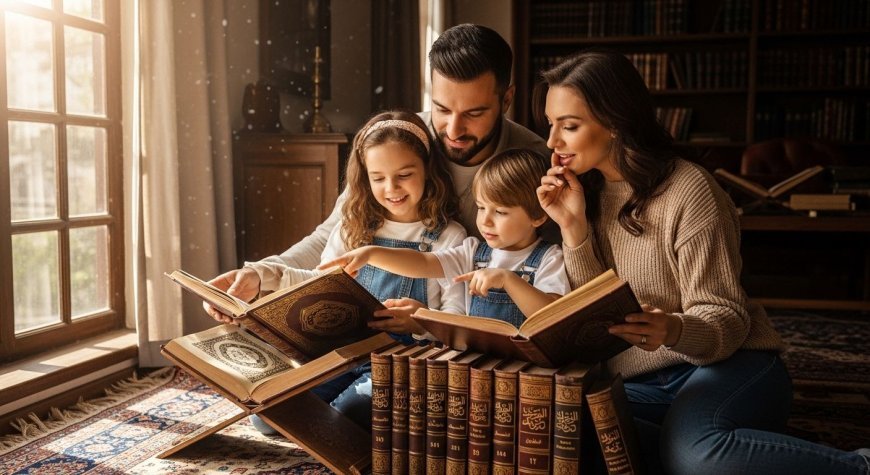
Names carry weight. They carry memory. And when the name comes from a Sahabi — a Companion of Prophet Muhammad — it also links your child to stories, to etiquette, to prayers people still say. But picking one isn’t a simple copy-paste job. You want faith in the choice. You want a meaning that sits well in the heart. And you want family peace. This piece gives plain, practical advice on choosing a Sahabi name: faith, meaning and family tips so you can sleep easier at night.
Choosing a Sahabi Name: Faith, Meaning and Family Tips — first steps
And here’s the first move: look up the meaning before you fall for the sound. Names like Abu Bakr as-Siddiq or Umar ibn al-Khattab carry history. They also carry literal meanings and reputations: honesty, leadership, loyalty — qualities parents hope for. But don’t pick only on reputation. Ask: can the name be said easily in our home? Will grandparents like it? Will it match the surname? These are real questions. They matter.
Quick fact: what “Sahabi” means
A Sahabi is someone who met Prophet Muhammad and believed in him. Folks study their lives in Hadith and early history for guidance. So when you use a Sahabi name the link is not casual — it’s a nod to a life example.
How to balance faith and meaning when choosing
Pick for meaning. Pick for faith. Pick for sound. But don’t overdo it. If the name is a mouthful your kid will shorten it. That’s okay. So think about nicknames. And think about ceremony. You might plan an aqiqah and use that day to say why you chose that name.
Practical checks before you decide
- Say it aloud — with your surname — at least four times.
- Write it down — watch for awkward spellings or clunky initials.
- Ask a trusted relative — get two opinions, not an army.
- Check historical usage — some Sahabi names have rich Hadith stories tied to them.
Examples that work well today — boys and girls
Names can be classic without being old-school. Try four well-known male Sahabi names: Abu Bakr, Umar, Uthman, Ali. Each has a short story attached. Abu Bakr as-Siddiq is known for loyalty. Umar ibn al-Khattab for firm justice. Uthman ibn Affan for generosity. Ali ibn Abi Talib for courage. And for girls — choose two or four: Aisha, Fatima, Khadija, Umm Salama. Aisha is linked to knowledge. Fatima carries devotion. Khadija is remembered for strength. Umm Salama for wise counsel.
But what if you want less common Sahabi names?
Less common names can feel fresh and keep the connection. Look into names like Sa’d or Zubayr — or female names such as Asma or Salma — and read a short life note. Less common doesn’t mean less meaningful. It often means fewer assumptions about personality. Folks like that.
Family tips — smoothing the conversation
Families sometimes clash. One grandparent loves a traditional name. Another wants something modern. Here’s how to handle it.
- Share the meaning and a short Hadith or story: context calms people.
- Offer two options — let the family pick one. Compromise works here.
- Set a soft rule: parents have final say. Do this early to avoid late fights.
- Use the naming ceremony — the aqiqah — as a moment to explain your choice.
Matching a Sahabi Name with Siblings and Surnames
And here’s a simple gut check: say the sibling names together. If they clash rhythmically then re-think. Matching doesn’t mean copying. It means flow. Think syllables. Think stress patterns. And think nicknames. If the surname is long keep the given name shorter.
Pronunciation, spelling and nicknames — making names easy to live with
Make it easy. If your extended family speaks Urdu or Turkish the name may have variants — that’s fine. Spell it clearly in official papers. And decide on a nickname now so teachers and kids don’t invent one later. For help see resources like “Make Sahabi Names Easy to Say: Pronunciation, Spelling and Nickname Ideas” — they’re practical and often include Arabic, Urdu and Malay forms.
Gendered Sahabi names — what to watch for
Some Sahabi names are obviously gendered. Some are neutral. If you want a gendered choice pick a name historically used by men or women. If you’re unsure consult local scholars or trusted family historians. And remember Hadith records can give you context — who bore the name and why.
Parents often pick themes — bravery, wisdom, devotion — and you can follow those threads when choosing a name. Use short stories from the Companions of the Prophet to explain the choice to children later; those moments make the name come alive. If you want a handy, themed collection with meanings to spark your decision, the list 70+ Best Sahabi Names with Meaning for Muslims Baby Boys groups names by virtue and gives a little context for each.
Legal and cultural notes
Some countries require legal forms that match identity documents. Spellings may vary across Arabic, Urdu and Turkish forms. So confirm the official spelling early. And if your family practices a cultural naming tradition — for instance naming after a grandparent — keep those customs in the conversation.
Simple rituals and the first days after naming
Parents often hold a small ceremony. Some feed neighbors. Some do a private dua. Aqiqah is common — it grounds the name choice. And it gives you a day to tell the story you chose: why this Sahabi, what that name means, which Hadith inspired you. Those stories stick with children long after the flavor of the meal is forgotten.
Resources and follow-up reading
You’ll want a short list to consult. Use a trusted biography of the Sahaba. Use local scholars for pronunciation help. Use community lists for popular Sahabi names. And if you’re comparing forms — Arabic, Urdu, Turkish and Malay — pick a source that shows the variants side-by-side.
Frequently Asked Questions
-
Q: Can I name my child after any Sahabi?
A: Generally yes. But if a name is tied to a living controversy in your family avoid it. Also check with local scholars if you’re unsure about honorifics.
-
Q: Should I consult Hadith when choosing?
A: You can. Hadith give context about a Sahabi’s life. Use them to explain the moral attached to the name.
-
Q: How do I pick a Sahabi name that works across languages?
A: Choose a simple root and check variants in Arabic, Urdu and Turkish. Test pronunciation with relatives. See resources like “Sahabi Names Across Languages” for direct comparisons.
-
Q: Is it okay to shorten Sahabi names to nicknames?
A: Absolutely. Most Sahabi names get shortened. Decide on a preferred short form and tell people. That avoids awkward nicknames later.
-
Q: Do I have to perform an aqiqah?
A: It’s recommended in many communities. It also gives a chance to explain the name and to connect it to family traditions.
Choosing a Sahabi Name: Faith, Meaning and Family Tips is about more than a label. It’s a decision that mixes faith, family rhythm and plain human taste — meaning matters, pronunciation matters and so do the stories you promise to tell your child as they grow.
Lorem Ipsum