

Ashura and Karbala: Why the Tenth Day Holds Different Meanings
You’d think a single date on the Islamic lunar calendar would mean the same thing to everyone. It doesn’t. Not even close.
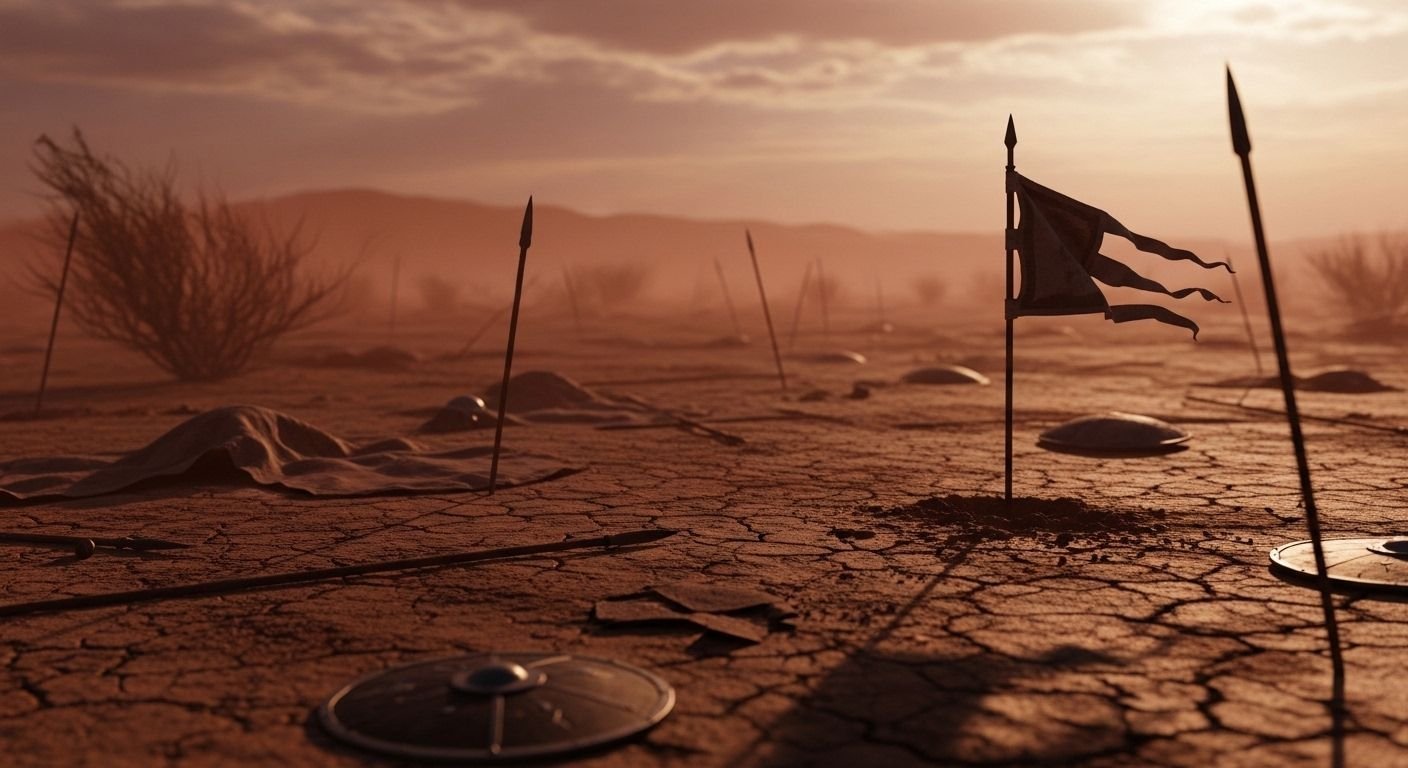
The tenth day of Muharram—Ashura to most folks—triggers completely different gut checks across the Muslim world. For some it’s about fasting and gratitude. For others it’s raw grief, ritual lamentation, and the kind of historical wound that never quite scabs over. That split isn’t random. It traces back to one brutal afternoon in 680 CE near a dusty Iraqi town called Karbala where Hussein ibn Ali—the grandson of the Prophet—stood his ground against Yazid I’s army and lost everything.
What Actually Happened at Karbala
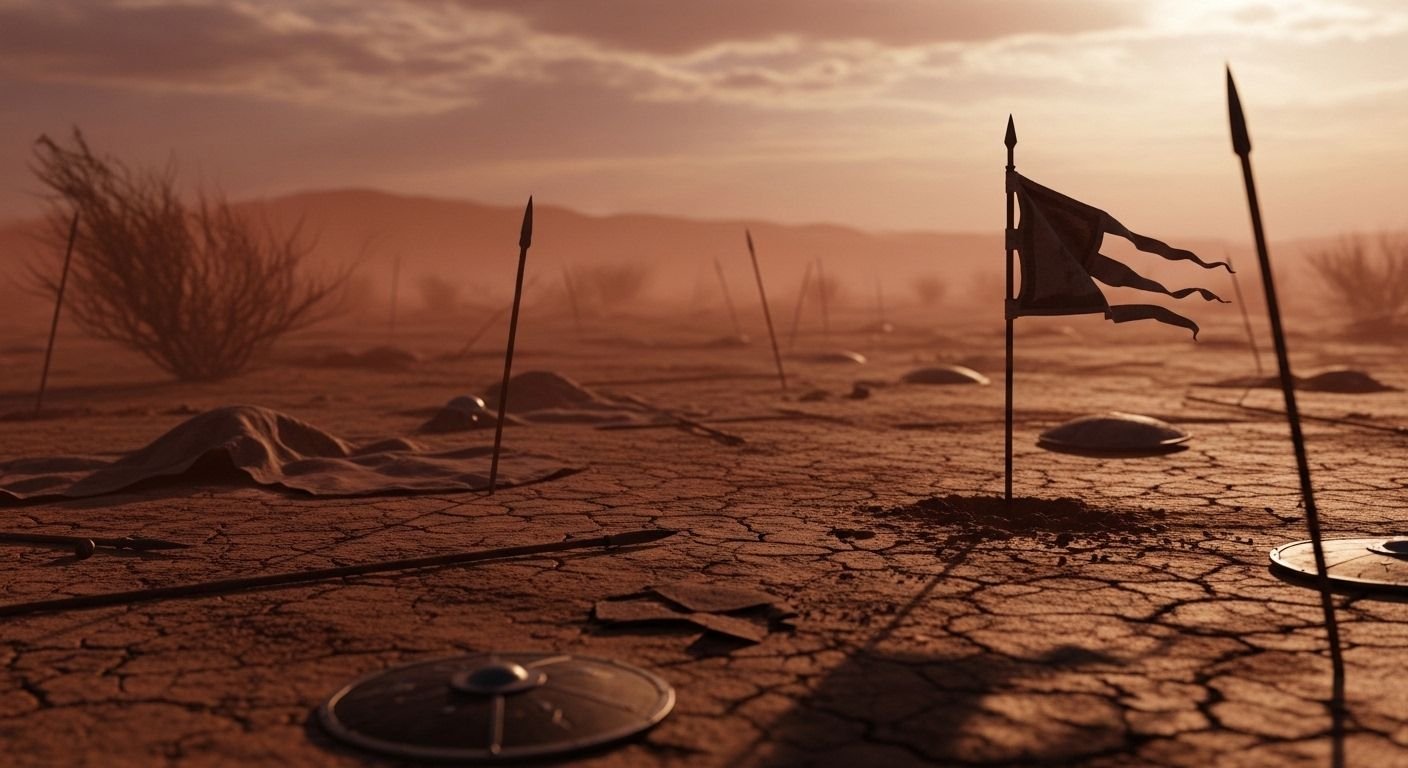
The Battle of Karbala wasn’t some massive clash of empires. It was smaller, messier, more personal. Hussein had refused to pledge allegiance to Yazid, the new Umayyad Caliphate ruler who represented everything Hussein thought had gone wrong with the community. So Hussein marched from Mecca with family and followers—maybe seventy-some fighters against thousands. The math didn’t work. Everyone knew it.
They cut off the water first. Then they attacked.
Hussein died. So did Abbas ibn Ali, his half-brother, trying to fetch water for the thirsty children. The army trampled the bodies. They took the women and surviving children as prisoners. It was ugly. The kind of ugly that gets remembered differently depending on who’s telling the story.
How the Leadership Crisis Shaped the Split
This whole disaster grew out of The Leadership Crisis That Divided Muslims After Muhammad. When the Prophet died, nobody had clear instructions about who should steer the community. Some wanted elected caliphs. Others insisted leadership had to stay within the Prophet’s bloodline through Ali ibn Abi Talib and his descendants. That tension simmered for decades until it exploded at Karbala.
Yazid represented the dynastic caliph model—power passed down like family property. Hussein stood for the imamate idea, the notion that religious authority required moral perfection and prophetic lineage. When Hussein refused to legitimize Yazid’s rule with his pledge, he wasn’t just being stubborn. He was testing which model would dominate. The blood on that Karbala sand answered the question temporarily, but the debate never actually closed.
That’s why Caliphs and Imams: How Leadership Models Shape Islamic Beliefs matters here. The commemorative practices you see today—whether quiet fasting or public mourning—reflect fundamentally different answers to who gets to lead and why.
Sunni Observance: Fasting and Moses
Most Sunni communities treat Ashura as a fast day. They’ll tell you Muhammad recommended it after finding Jews fasting for Moses crossing the Red Sea. It’s a two-day fast usually—either the 9th and 10th or the 10th and 11th—meant to expiate sins from the previous year.
The Karbala connection exists for Sunnis too. They acknowledge Hussein died nobly. But the tenth day significance centers more on repentance than political tragedy. The historical battle context gets taught, sure. Yet the emotional weight stays lighter, more focused on personal piety than collective trauma.
Shia Mourning Rituals: The Never-Ending Funeral
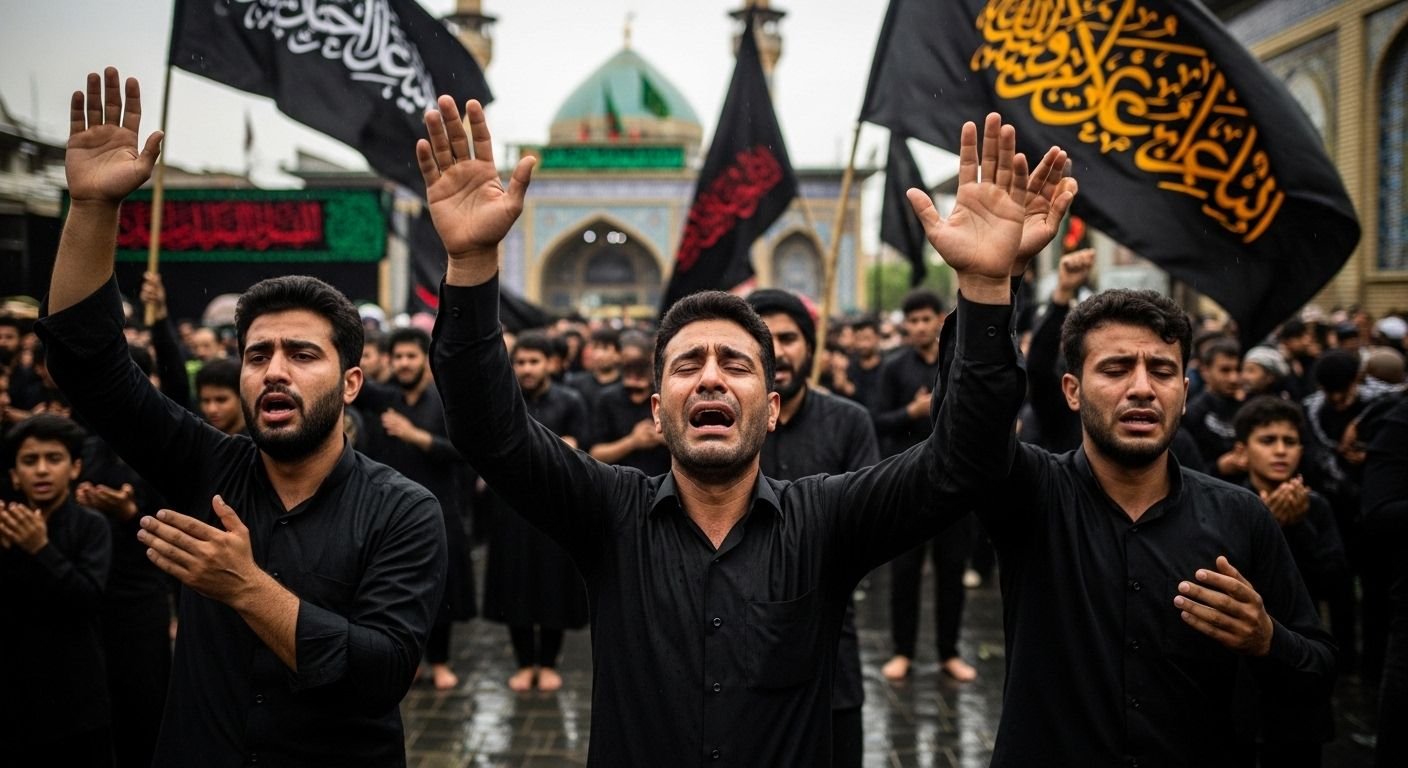
Walk into a Shia neighborhood during Muharram and you’ll feel the difference immediately. Black banners everywhere. Coffee shops closed. Men beating their chests in rhythm while reciting poetry about thirst and betrayal. It’s intense.
The ritual lamentation starts on the first day of Muharram and builds to a crescendo on Ashura. Some communities reenact the battle—passion plays called Ta’ziyeh where actors play Hussein, Abbas, and the villains. Others march with chains. Many pilgrimage to Karbala itself, walking miles to reach the shrine where Hussein’s headless body rests. These practices can stir up complicated feelings when you’re living alongside neighbors who see things differently, and that’s why managing Sunni-Shia relations in mixed communities requires both patience and honest dialogue.
They’re not just remembering history. They’re refusing to let Yazid win the narrative. Every tear shed is political. Every chest beaten says: We remember who betrayed whom. We remember the cost of silence.
Why the Divergent Meanings Persist
The sectarian differences aren’t just theological footnotes. They shape how millions experience time itself. When you look at Regional Politics: How the Divide Shapes Modern Middle Eastern Affairs, you see Karbala’s shadow stretching into modern conflicts. The symbolism gets weaponized. Leaders invoke Hussein to justify resistance against tyranny. Opponents invoke Yazid to smear enemies as illegitimate rulers.
But strip away the politics and you’re left with two sincere religious interpretations of the same sacrificial narrative. Both agree Hussein died unjustly. Both agree it mattered. They just disagree about how loudly grief should echo across fourteen centuries.
Modern Commemorations: Finding Common Ground
Not everyone fits neat boxes. Plenty of Sunnis attend Shia majlis gatherings out of respect. Some Shia scholars emphasize the fasting tradition too. Interfaith perspectives have grown more prominent as younger Muslims—especially in Western countries—ask why their parents’ mosques don’t talk to each other during this month.
The cultural significance keeps evolving. In Pakistan you’ll see processions blending both traditions. In Lebanon it’s mostly segregated. Indonesia might treat it like any other day while Iran shuts down completely. There’s no universal rule.
What’s consistent is the date itself. The Islamic lunar calendar keeps rotating, so Ashura lands in different seasons, but the tenth day always arrives. And when it does, Muslims everywhere face the same choice: fast quietly, weep publicly, or somehow hold both truths at once.
Frequently Asked Questions
Why do Sunni and Shia Muslims observe Ashura differently?
Sunni traditions emphasize fasting based on Muhammad’s practice, connecting the day to Moses and repentance. Shia communities focus on mourning the martyrdom of Hussein ibn Ali at the Battle of Karbala, using ritual lamentation and commemorative practices to honor his sacrifice against the Umayyad Caliphate.
What exactly happened on the tenth day of Muharram at Karbala?
Hussein ibn Ali, grandson of the Prophet Muhammad, was killed along with most of his male followers—including his half-brother Abbas ibn Ali—by forces loyal to Yazid I. The surviving women and children were taken prisoner. This event occurred in 680 CE and became the central tragedy for Shia Islam.
Do all Shia Muslims practice the same mourning rituals?
No. Practices vary by region and community. Some engage in controlled self-flagellation or chest-beating. Others attend Ta’ziyeh passion plays. Many simply attend majlis gatherings for recitations. The intensity of ritual lamentation differs between Iranian, Iraqi, Lebanese, South Asian, and other Shia communities.
Is fasting on Ashura mandatory for anyone?
It’s recommended but not obligatory for Sunnis who view it as expiating minor sins. For Shia Muslims, fasting is generally discouraged on Ashura itself because it’s seen as a practice introduced by Yazid’s supporters to distract from Hussein’s martyrdom. Some Shia fast instead on the ninth and eleventh days.
How does the Islamic lunar calendar affect when Ashura occurs?
Since the Islamic calendar is lunar and about 11 days shorter than the solar year, Ashura shifts backward through the seasons. One year it might fall in summer heat, another in winter rain. This rotation affects how communities organize outdoor processions and pilgrimage to Karbala.
Lorem Ipsum