

Sahabi names grouped by meaning: names for bravery, wisdom, faith and kindness

Have you ever picked up a baby-name book and felt overwhelmed by meaning, history and sound all at once? I know that feeling. Choosing a name inspired by the companions of the Prophet — the Sahaba — often means choosing a story as much as a word. Below I’ve grouped well-known Sahabi names by the virtues they’re most associated with: bravery, wisdom, faith and kindness. You’ll find short notes on meaning, a few famous examples, and practical baby-name suggestions for boys and girls.

Bravery and courage — names with a bold edge
These are the companions who stood on the battlefield and in the toughest debates. Names tied to courage often carry a sense of strength and resolve.
- Khalid ibn al-Walid — literally “Khalid” suggests enduring or eternal; he’s famous as Sayfullāh (the Sword of Allah).
- Ali ibn Abi Talib — Ali means “exalted, noble”; he’s remembered for both courage and leadership.
- Hamza ibn Abdul-Muttalib — Hamza is often translated as “lion,” a direct link to bravery.
- Talha — a trusted companion known for loyalty in battle; the name carries dignity.
If you want strong-sounding names for baby boys, these are classic picks: Khalid, Ali, Hamza, Talha. For girls, you might consider names inspired by the same strength but softer in tone, like Fatima (daughter of the Prophet) or Asma — both linked to steadfastness in stories of the early community.
Wisdom — names tied to knowledge and counsel
Some companions are remembered more for study, teaching and wise decisions than for battlefield feats. Those names make lovely choices when you hope for insight and calm judgment.
- Abu Bakr al-Siddiq — “al-Siddiq” means the sincere, truthful one; Abu Bakr is often cited as a paragon of trust and wise counsel.
- Umar ibn al-Khattab — Umar’s leadership and clear decisions give the name a sense of justice and firmness.
- Abdullah ibn Abbas — known as a great scholar; “Ibn Abbas” evokes study and Qur’anic knowledge.
- Salman al-Farsi — remembered for insight and deep reflection, a bridge between cultures.
Looking for Sahabi names wisdom-wise? Try Abu Bakr, Umar, Abbas, Salman. For girls, Aisha often comes up — she’s remembered for transmitting hadith and for sharp intellect.
Faith and devotion — names that echo commitment
Names tied to faith point to personal devotion, steadfast prayer, and moral conviction. These companions kept faith at the center of everything.
- Bilal ibn Rabah — Bilal is the famed first mu’adhin; his story symbolizes unwavering faith under pressure.
- Uthman ibn Affan — gentle, devoted, and known for his generous patronage of the Qur’an’s compilation.
- Aisha bint Abu Bakr — her scholarship and devotion to the Prophet’s teachings made her a key transmitter of knowledge.
- Abdullah — a common companion name meaning “servant of God,” often associated with piety.
Names like Bilal, Uthman, Aisha and Abdullah have layers of meaning — they’re devotional and familiar. If you’re assembling a list of Arabic names of the companions for a newborn, these are reliable, meaningful picks.
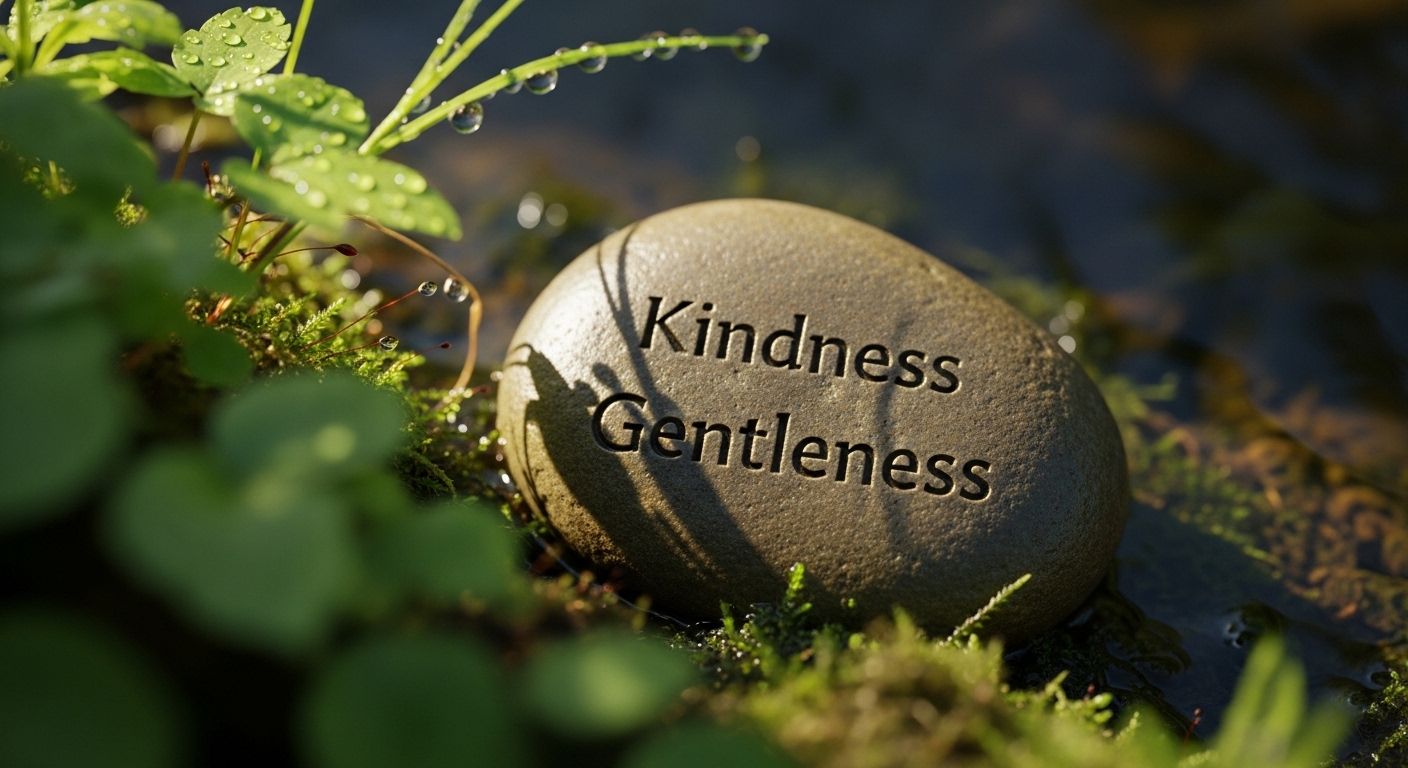
Kindness and gentleness — names that soothe
Not every admired companion is a warrior or a jurist. Some are celebrated for patience, mercy and peacemaking. Those qualities show in the names tied to them.
- Hasan ibn Ali — Hasan suggests goodness and beauty; he’s remembered as a peacemaker in difficult times.
- Umm Salama — known for wise counsel and gentle diplomacy; a popular female Sahabi name choice.
- Abu Hurairah — literally “father of the kitten,” a name that carries warmth and approachability; famed for transmitting hadith.
- Mu’adh — associated with compassion and sound judgment in community affairs.
Choosing a name for kindness? Hasan and Umm Salama are lovely. You’ll also find softer variations and feminine forms of many companion names that fit this attribute.
Suggestions for baby boys and girls, grouped by attribute
If you want quick suggestions, here’s a compact list you can keep on your phone:
- Bravery (boys): Khalid, Ali, Hamza, Talha.
- Wisdom (boys): Abu Bakr, Umar, Abbas, Salman, Abdullah ibn Abbas.
- Faith (boys): Bilal, Uthman, Abdullah, Hasan.
- Kindness (boys): Hasan, Mu’adh, Abu Hurairah.
- Bravery (girls): Fatima, Khawla, Asma (strong female figures among the Sahaba).
- Wisdom (girls): Aisha, Umm Salama, Hafsa.
- Faith (girls): Aisha, Umm Kulthum, Sumayyah.
- Kindness (girls): Umm Salama, Zainab, Ruqayyah.
Names inspired by sahaba meanings can be adapted, combined, or paired with modern names to fit family tastes. I often get asked whether these are suitable for secular contexts — many are; they sound beautiful and carry gentle significance even outside religious settings.
If you want to understand this better, we also looked at [Sahabi names by meaning] in our guide that covers pronunciation, Arabic spelling and a longer list of companion names.
FAQ — quick answers from someone who’s helped new parents pick names
Q: Are these names only for Muslims?
A: Not strictly; many names are Arabic words with pleasant meanings that people of different backgrounds use. That said, some carry strong Islamic or historical ties, so be mindful of cultural context.
Q: How do I choose between a famous name like Ali and a lesser-known Sahabi?
A: Think about sound, family connection, and the trait you want to emphasize. Ali is short, powerful and widely recognized. A lesser-known companion can feel unique and carry a personal story. I usually suggest saying the name aloud for a few days before deciding.
Q: Can female versions of male Sahabi names be used?
A: Yes. Arabic allows many feminized forms, or you can choose female companions’ names like Aisha, Umm Salama or Fatima. They’re meaningful and historically rooted.
Q: Where can I find accurate meanings and histories?
A: Look for trusted sources—classical biographies of the companions, reputable Islamic scholars, and works that include Arabic spelling. If you’re after a quick list, search for “Islamic companion names meaning” or “famous sahabi name meanings” and cross-check a couple of sources.
If you want name lists grouped differently — for example by gender or by era — say so. I can pull together pronunciation guides and Arabic spellings next, or give modern pairing ideas for first and middle names.
Lorem Ipsum