
Understanding Islamic Finance: Principles, Growth, and Opportunities for Investors

Islamic finance offers a different way to manage your money, aligning financial choices with values. This guide explains how it works, its growth, and investment options that fit your beliefs.
What is Islamic Finance?
Islamic finance follows specific principles from the Quran and Sunnah. Here's a breakdown of the basics, with examples:
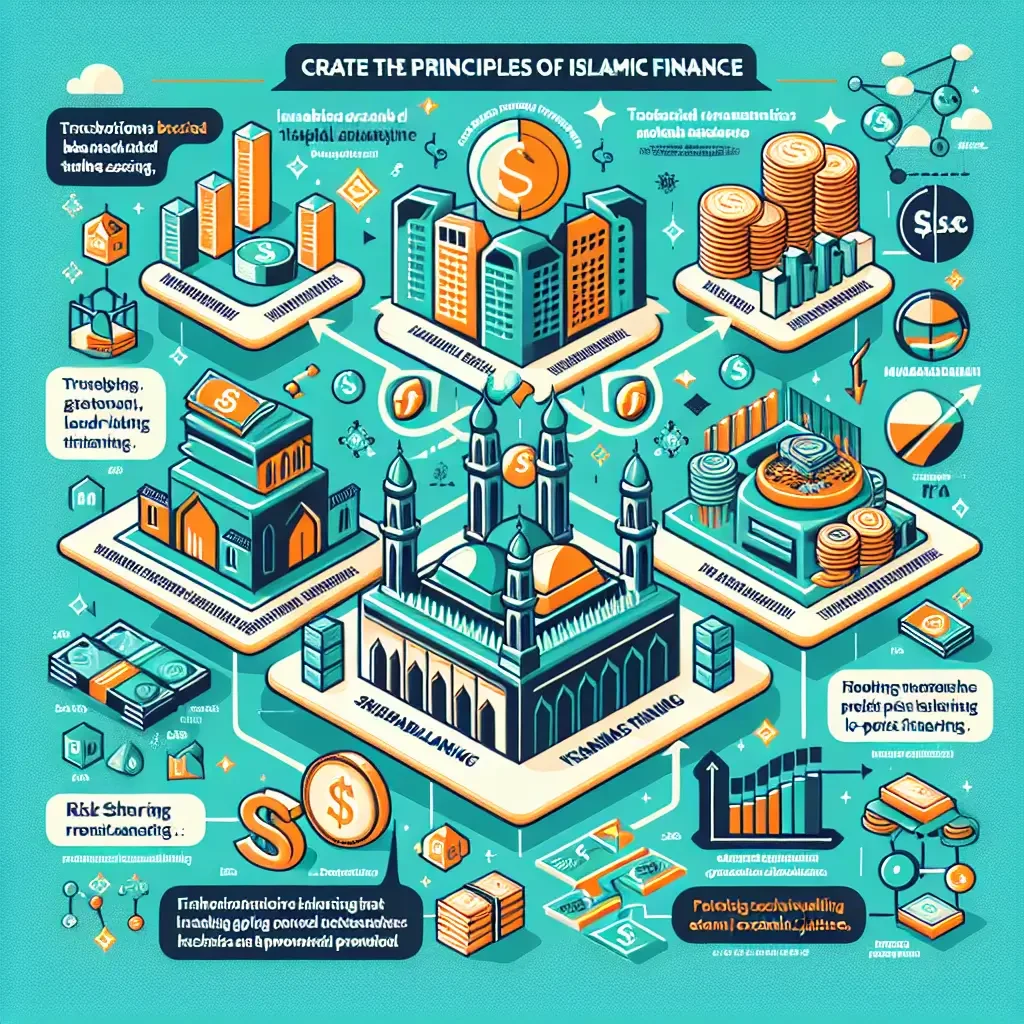
- No Unfair Interest (Riba): Instead of traditional loans, Islamic banks might help you buy a home by first purchasing the property themselves and selling it back to you at a slightly higher price, which you repay in installments.
- Risk-Sharing and Profit-Sharing: Let's say you have a great idea for an ethical clothing line but lack the funds to start. An Islamic bank could partner with you (Musharakah), sharing the risk and potential profits. You manage the business, and over time, you buy back the bank's share until you own it fully.
- Real Assets: Islamic finance requires investments to be tied to real activities. An Islamic car financing model might involve the bank leasing the car to you, with ownership transferring upon completion of payments.
- Ethical Industries: Islamic investment funds avoid companies involved in alcohol, gambling, or traditional banking. They also screen out companies with excessive debt.
The Rise of Islamic Fintech
Financial technology (fintech) is making Islamic finance more accessible and innovative:

- Easy Access for Everyone: Apps like Wahed Invest let anyone invest according to Islamic principles.
- New Products: Platforms like EthisCrowd (Singapore) connect investors directly with businesses seeking ethical funding. FWD Takaful (Malaysia) offers flexible Islamic insurance (Takaful) online.
- AI and Islamic Rules: AI-powered advisors ensure portfolios follow Islamic guidelines.
- Challenges and Growth: Islamic fintech faces some challenges with regulations, but the potential for growth is huge!
Investments that Align with Your Faith

- Sukuk (Islamic Bonds): In 2021, the Islamic Development Bank issued a Sustainability Sukuk to fund eco-friendly projects.
- Islamic Equity Funds: The Saturna Amana Growth Fund has a solid history of investing in companies aligned with Islamic values.
- Real Estate Investment Trusts (REITs): Amanah Harta Tanah PNB (Malaysia) focuses on Sharia-compliant properties like hospitals and schools.
- Impact Investing: The Arabesque Q-Values Global ESG Leaders Fund specifically prioritizes companies that work towards the UN's Sustainable Development Goals.
Islamic Finance Around the World
Islamic finance is growing worldwide!

- Middle East: The birthplace of modern Islamic finance, countries like Saudi Arabia continue to lead the way.
- Southeast Asia: Malaysia and Indonesia have well-developed Islamic finance sectors.
- Europe: The UK is becoming a hub for Islamic finance.
- Africa: Islamic banking is expanding to meet the demand from growing Muslim populations.
Islamic finance aligns your money with your values. It emphasizes ethics, fairness, and investing in the real economy. Fintech is making it more accessible, providing exciting investment options for everyone.
FAQ's:
Q1. What makes Islamic finance different from traditional finance?
Q2. How does Islamic home financing work?
Q3. Can anyone use Islamic finance products?
Q4. How is technology changing Islamic finance?
Q5. What are some examples of Islamic investments?
Q6. Is Islamic finance only available in certain countries?
Related Articles
Continue reading through connected topics and categories.

Ashura and Karbala: Why the Tenth Day Holds Different Meanings
You'd think a single date on the Islamic lunar calendar would mean the same thing to everyone. It doesn't. Not even close. The tenth day of Muharram—Ashura to most folks—triggers completely different gut checks across t

Daily Worship: Comparing Prayer Methods and Pilgrimage Customs
It's 4:47 AM and your knees already hurt from yesterday's prostrations but you drag yourself up anyway because that's the grind of real devotion—not the Instagram version with filtered lighting and perfect cushions. Dail

Living Together: Managing Sunni-Shia Relations in Mixed Communities
You've probably walked past it a dozen times without noticing. That mosque on the corner where the parking lot fills up early on Fridays but the cars belong to folks who'd argue for hours about Imam Ali if you bought the