
How to Pray During Travel in Islam
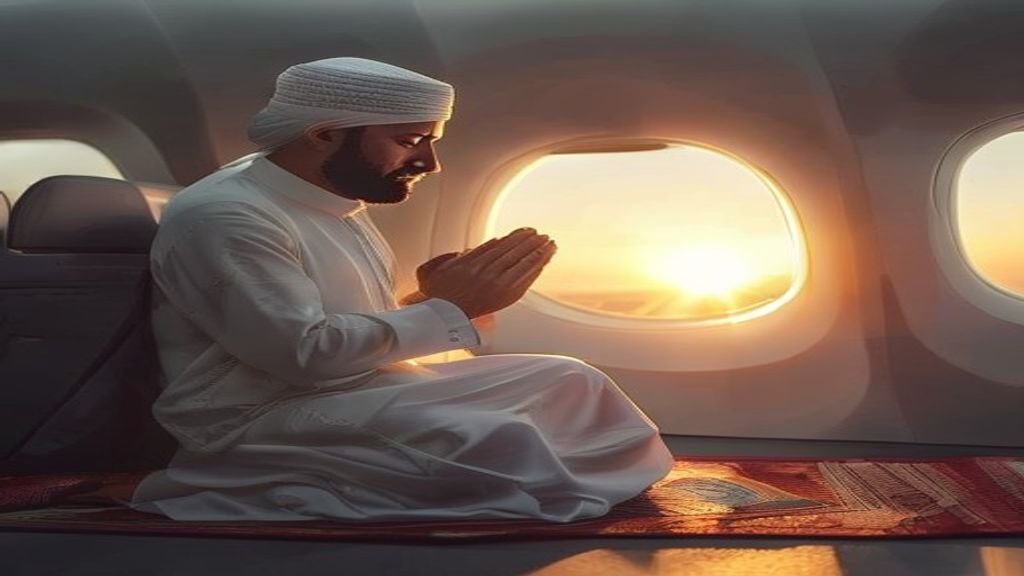
Travel changes your routine. But prayer stays important for Muslims. Islam gives clear rules to pray while traveling. These rules come from the Quran and the Prophet's example. They let you shorten some prayers and combine others.
You can shorten Dhuhr, Asr, and Isha to two rakats each. Combine Dhuhr with Asr, or Maghrib with Isha. This helps when you are on a car, plane, or walking. Allah makes it easy for travelers.
What Counts as Travel in Islam
Islam sets rules for travel status. Know these to use prayer changes correctly. They depend on distance, purpose, and time away.
Minimum Distance for Traveler Status
Most scholars say travel starts at 80-90 km, or 48-55 miles. This matches the distance from Makkah to Jeddah in the Prophet's time.
Hanafis use 80 km for shortening prayers. Leave your city's area. Short trips under this do not count.
Types of Trips That Qualify
Not all trips count as travel. These do:
- Work trips: For business or to earn money.
- Family visits: If the distance is enough.
- Pilgrimage or Umrah: These always count.
- Daily commutes: These do not, unless long with overnight stays.
The Prophet shortened prayers on trade trips and battles. Local trips like to the market do not count.
When Travel Status Ends
Travel status ends when you return home or stay somewhere.
- Reach your place and plan to stay 4 days or more (most scholars; Hanafis say 15-20 days).
- Enter your hometown.
- Settle for work or other reasons.
On multi-stop trips, keep travel rules until the last stop. If under 4 days, shorten prayers. Quran 4:101 says there is no blame for shortening prayer when traveling.
Shortening Prayers: The Basics
Shorten some prayers when traveling. This is called qasr. It makes prayer easier on the road.
Which Prayers Can Be Shortened
Shorten the four-rakat prayers: Dhuhr, Asr, Isha. Make each two rakats. Maghrib stays three. Fajr stays two.
- Dhuhr: 4 to 2 rakats.
- Asr: 4 to 2 rakats.
- Isha: 4 to 2 rakats.
Step-by-Step Guide to Qasr
- Check if you are a traveler: over 80-90 km from home.
- Intend qasr in your heart.
- Pray first two rakats with Al-Fatihah and surahs.
- Sit for tashahhud after second rakat.
- End with salam.
Stay in wudu. Face qibla if you can. Use qasr until you settle or go home.
Evidence from Quran and Sunnah
Quran 4:101 says: "And when you travel throughout the land, there is no blame upon you for shortening the prayer..."
The Prophet shortened Dhuhr, Asr, and Isha to two rakats on trips. Hadiths in Bukhari and Muslim report this from Ibn Abbas and Anas. All schools agree.
Combining Prayers for Busy Trips
Combine prayers when traveling. This is Jam' taqdim or ta'khir. Pair Dhuhr with Asr, or Maghrib with Isha. Fajr stays alone.
Rules for Combining in Sequence
Pray the pairs together. Do the first prayer first. Shorten if you are a traveler. Intend to combine for travel.
For Dhuhr-Asr, pray in Dhuhr time or early Asr. For Maghrib-Isha, in Maghrib time or early Isha.
Combining in Advance vs. Delay
Jam' taqdim: Pray early, like Asr right after Dhuhr. Jam' ta'khir: Pray late, like Dhuhr at Asr time.
Use what fits your trip. Both are allowed for travelers.
Prophet's Examples During Travel
The Prophet combined Dhuhr-Asr and Maghrib-Isha at Khaybar and Tabuk. Ibn Abbas said he did it in Madinah to ease hardship. Face qibla and pray if you can.
Direction of Prayer on the Move
Find qibla while traveling. Try your best. Allah looks at your effort.
Finding Qibla Without Tools
Sun rises east, sets west. Face away from sunrise for qibla in north areas. Use a stick shadow for north. Stars help at night. Ask locals if needed.
Pray in the best direction you find. Make up later only if you learn it was wrong.
Praying in Vehicles
Face qibla at the start. Keep facing if the vehicle turns. Park for full prayer if you can.
Pray sitting if moving. Gesture for ruku and sujud. The Prophet allowed this.
Special Cases Like Airplanes
Check qibla before boarding. Face it from your seat. Turn head if plane changes.
Pray sitting with gestures. Use tayammum if no water. Any clean direction works if unsure.
Where and When to Pray While Traveling
Prayer times follow the sun where you are. Adjust for travel.
Adjusting Prayer Times on the Road
Pray at the time of your current place. On planes, use departure time at start, then change.
Combine prayers for ease. Do them one after the other.
Ideal Spots for Salah
Find mosques first. Use apps or maps. Rest stops and airports have prayer areas.
- Check for mosques.
- Use highway rest areas.
- Go to airport prayer rooms.
Praying in Unusual Places
Any clean spot works. Spread a cloth. Face qibla.
Pull over in cars. Pray seated if driving. Avoid dirty or impure ground.
Common Travel Prayer Mistakes to Avoid
Avoid these errors to pray right.
Misjudging Travel Distance
Do not shorten for short trips. Measure from city edge. Use maps.
Forgetting to Resume Full Prayers
Switch to full prayers after 4 days in one place or at home. Set a reminder.
Group Prayer Rulings on Trips
In groups, lead with your status. Or pray separately. Join local prayers in mosques.
Related Articles
Continue reading through connected topics and categories.

Guidance about Stages of Hajj
Hajj, one of the Five Pillars of Islam, holds a significant place in the lives of Muslims. This annual pilgrimage to the holy city of Makkah is a profound spiritual journey that aims to cleanse the soul, foster humility,

Safar ki Dua: The Muslim Traveler's Prayer for Protection and Guidance
In our busy lives, the thought of traveling can be both exciting and a little scary. For Muslims, travel isn't just about going places; it's a chance to get closer to God (Allah) and ask for His care and blessings. This

The Strength in Unity: How Prayer in Islam Builds Stronger Communities
Prayer (Salah) in Islam holds immense significance, serving as a cornerstone of faith and a direct line of communication with Allah (SWT). But the benefits of prayer extend far beyond the individual. Praying together fos